
From Ghetto Shadows to Vodka Vaults:
A Walking Tour of Warsaw’s Scarred,
Art-Infused Praga District
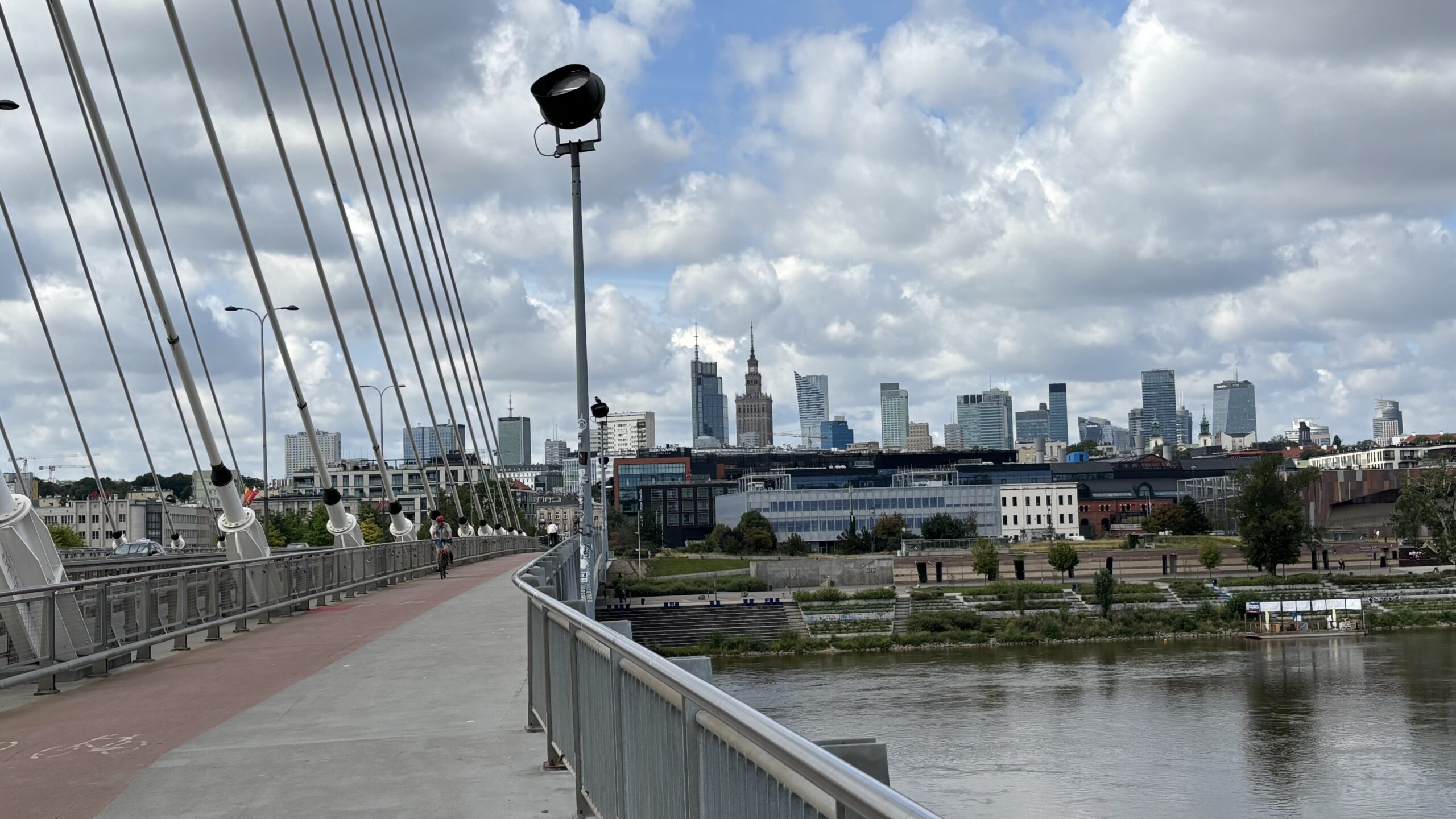
The tram lines hummed as we walked across the bridge over the Vistula River, leaving the polished, rebuilt towers of Warsaw’s left bank behind. Crossing into Praga on foot sets a specific pace. It forces you to feel the distance between a city reconstructed from blueprints and a neighborhood where history was left to weather the decades in the open air. While the rest of Warsaw was systematically flattened during the Second World War, this right-bank district somehow survived the bombs, spending the subsequent decades as a neglected, forgotten enclave of working-class grit.
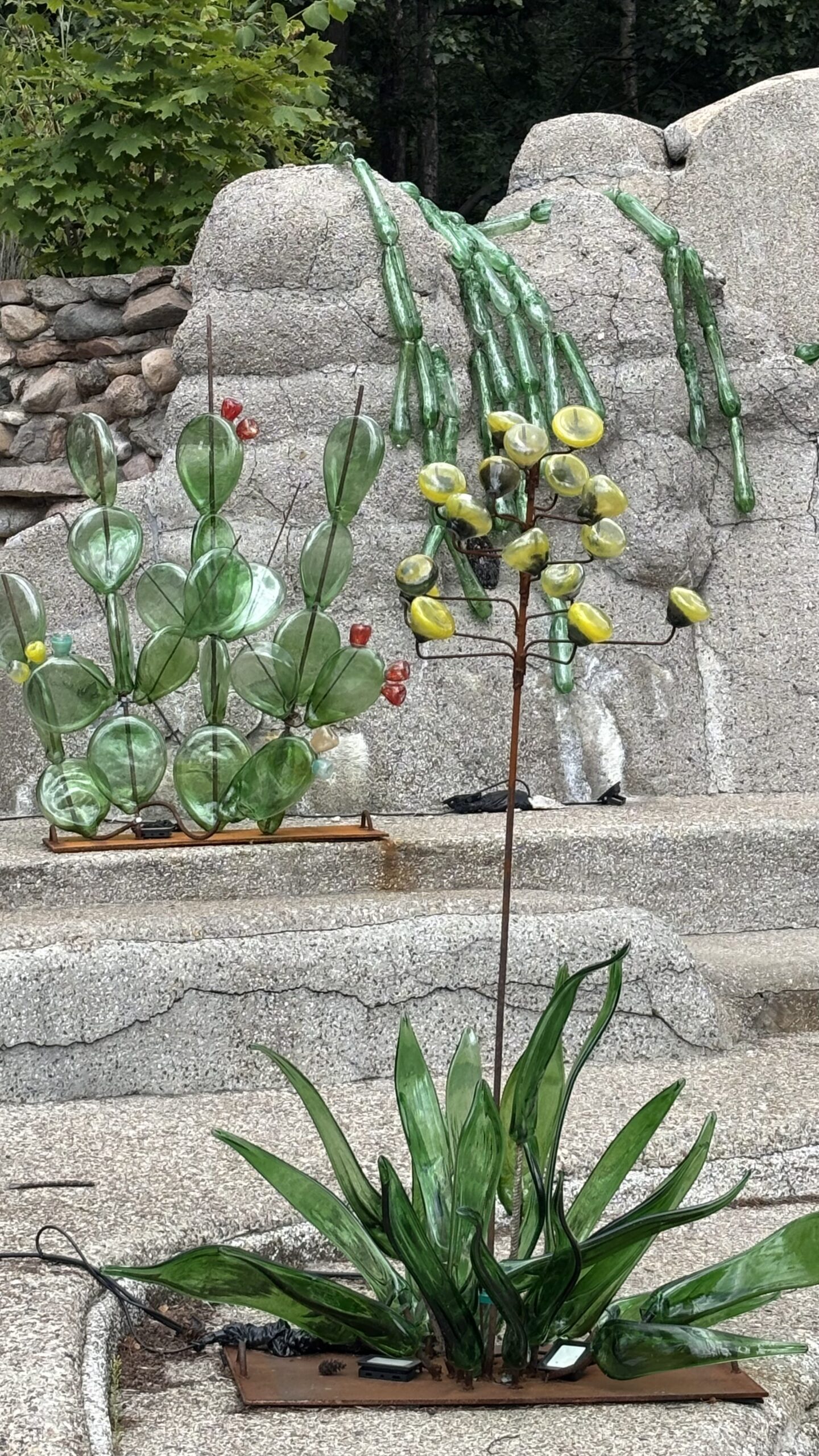
Our walk officially began at the Cathedral of St. Michael the Archangel and St. Florian, its twin spires towering over the edge of Praga Park. Directly across the street sits the old Warsaw Zoo, a place forever tied to the wartime story of Jan and Antonina Żabiński, who hid hundreds of Jewish refugees within their villa and animal enclosures. Today, the area near the zoo is decorated with striking glass flowers, a bright artistic contrast to the heavy memories anchored in the soil. Moving just a bit deeper into the neighbourhood, the multi-domed Mary Magdalene Orthodox Church appears, its distinctive architecture reflecting the complex layers of Warsaw’s imperial past and the diverse communities that once shaped this side of the river.

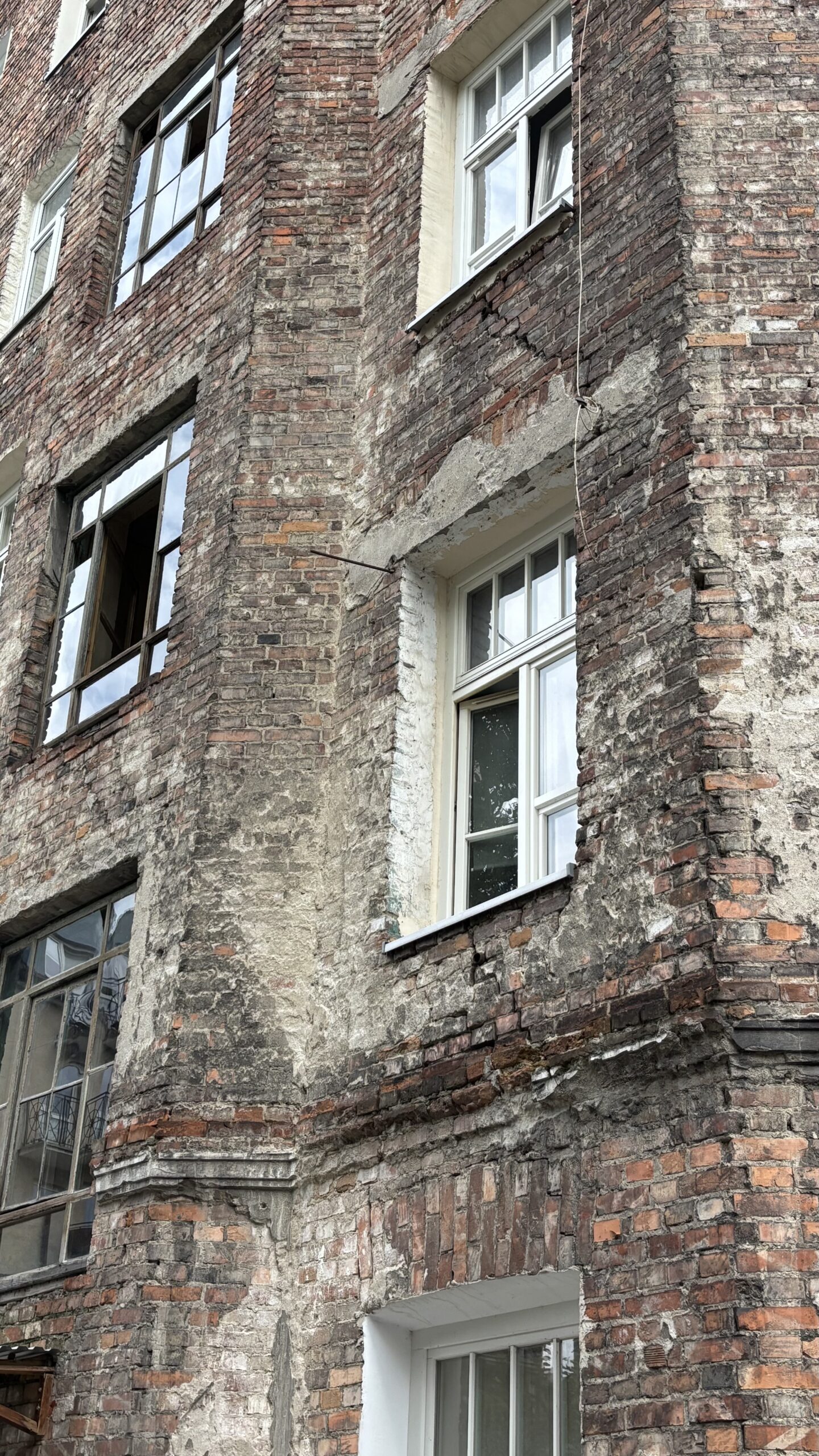
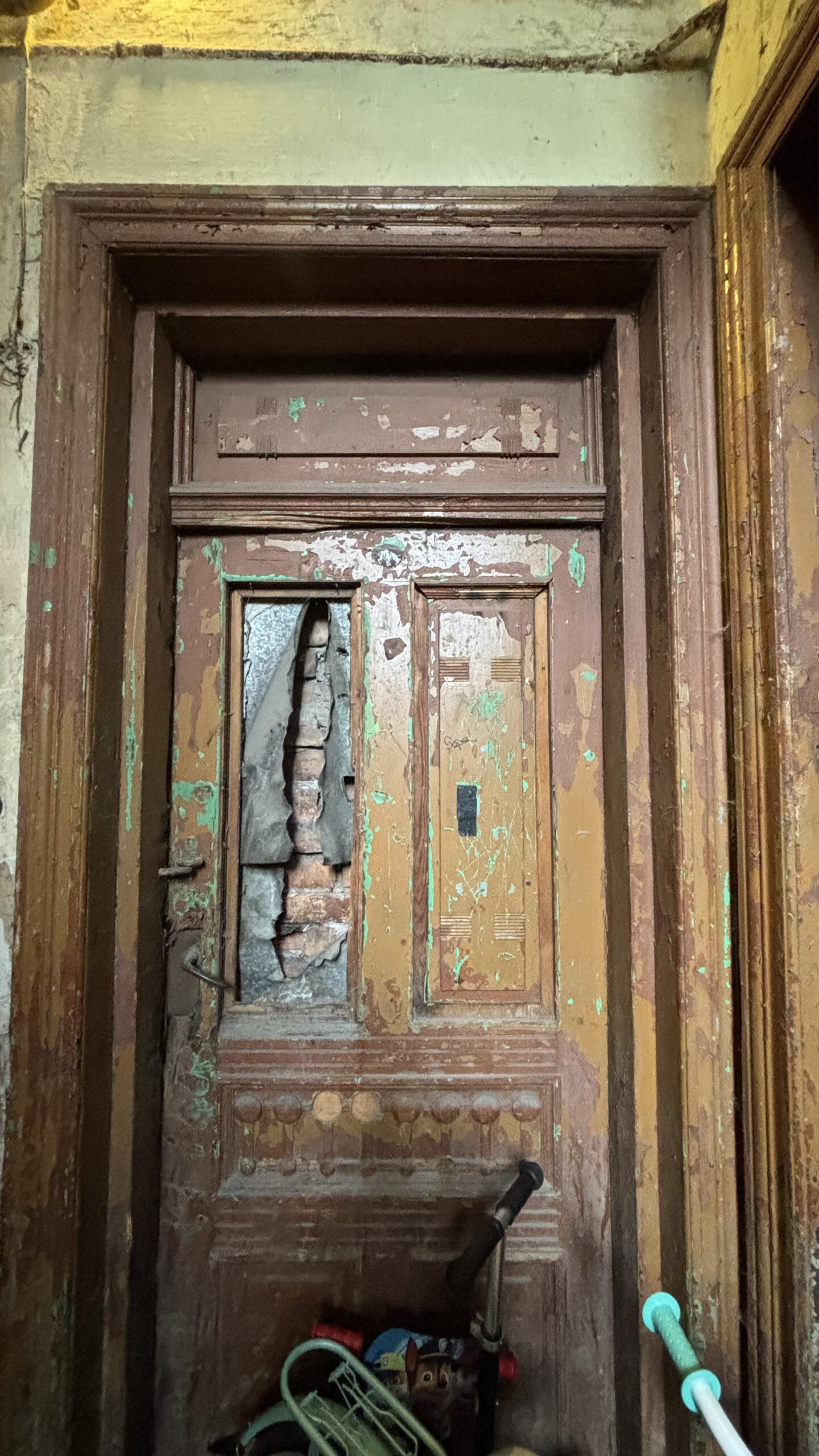
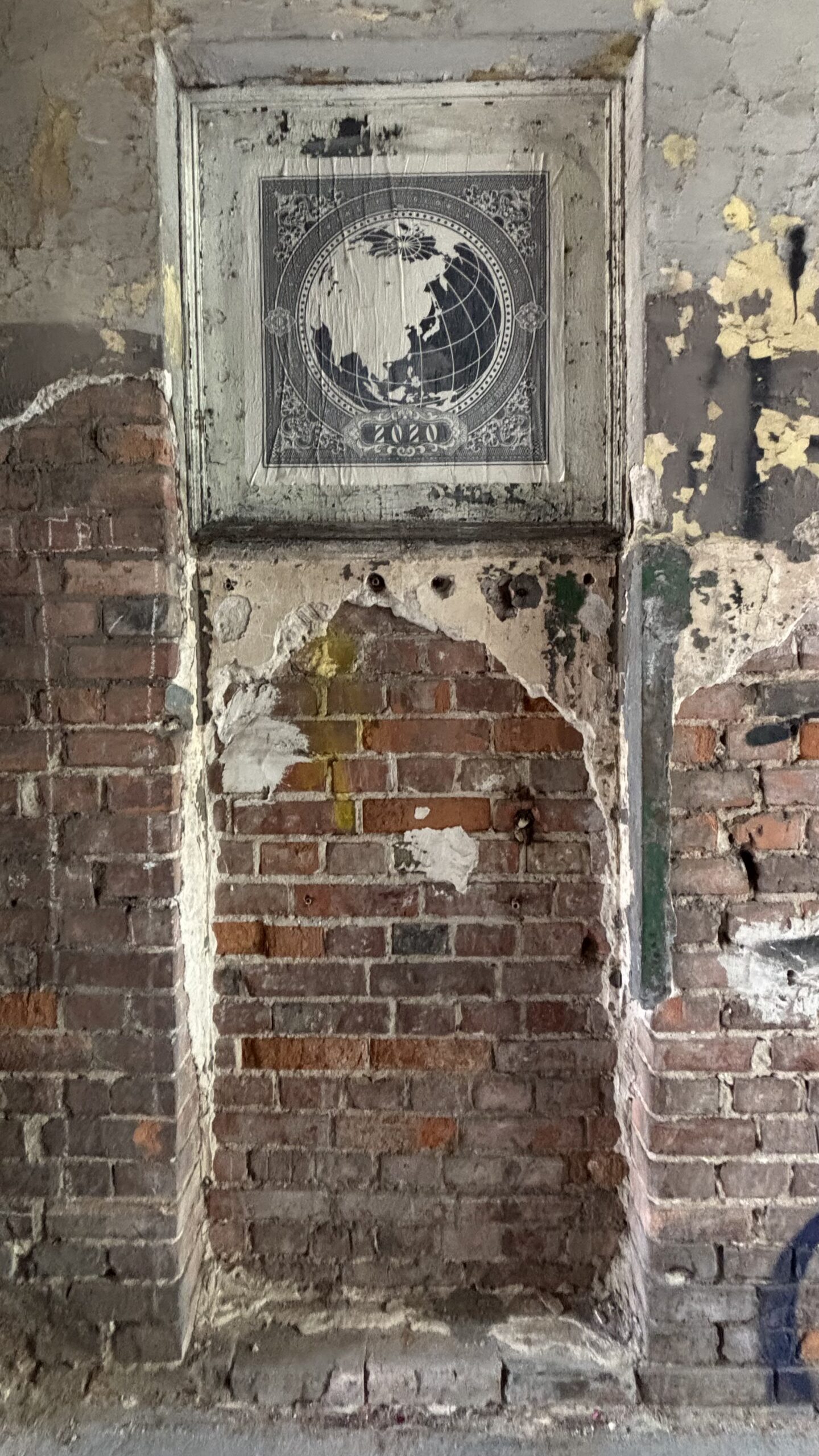
Transitioning from these grand monuments into the residential heart of Praga is an abrupt shift. Walking down Mała Street brings you face to face with a neighborhood caught directly between preservation and decay. Some sections have been renovated, showing the grandeur these pre-war tenements once possessed. But step inside the arched entryways of the unrenovated buildings, and the sensory reality of Praga hits you instantly. The damp air smells heavily of urine, the walls are covered in layers of modern graffiti, and the fading outlines of old, pre-war storefront signs whisper from the bricks.

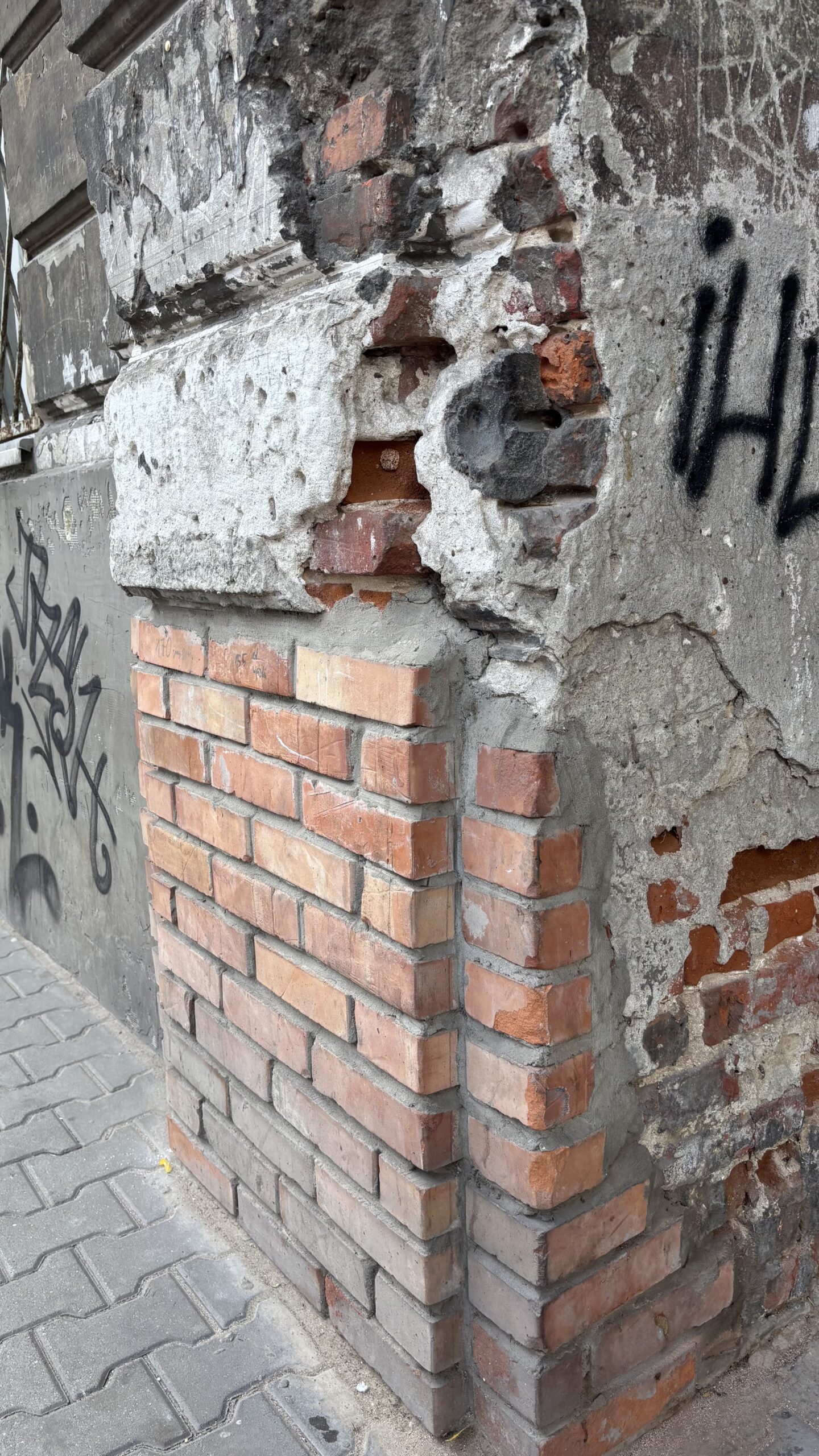
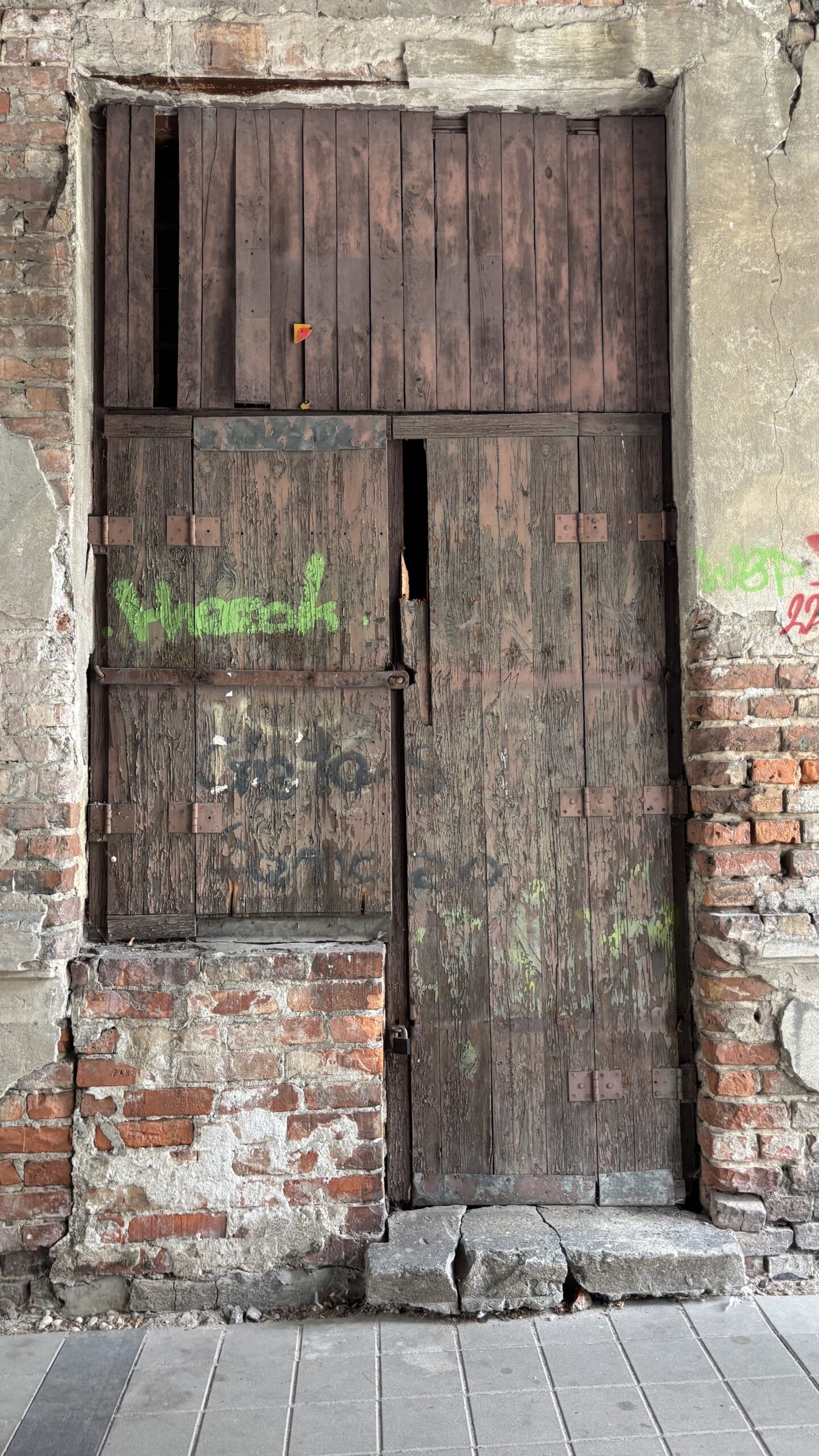
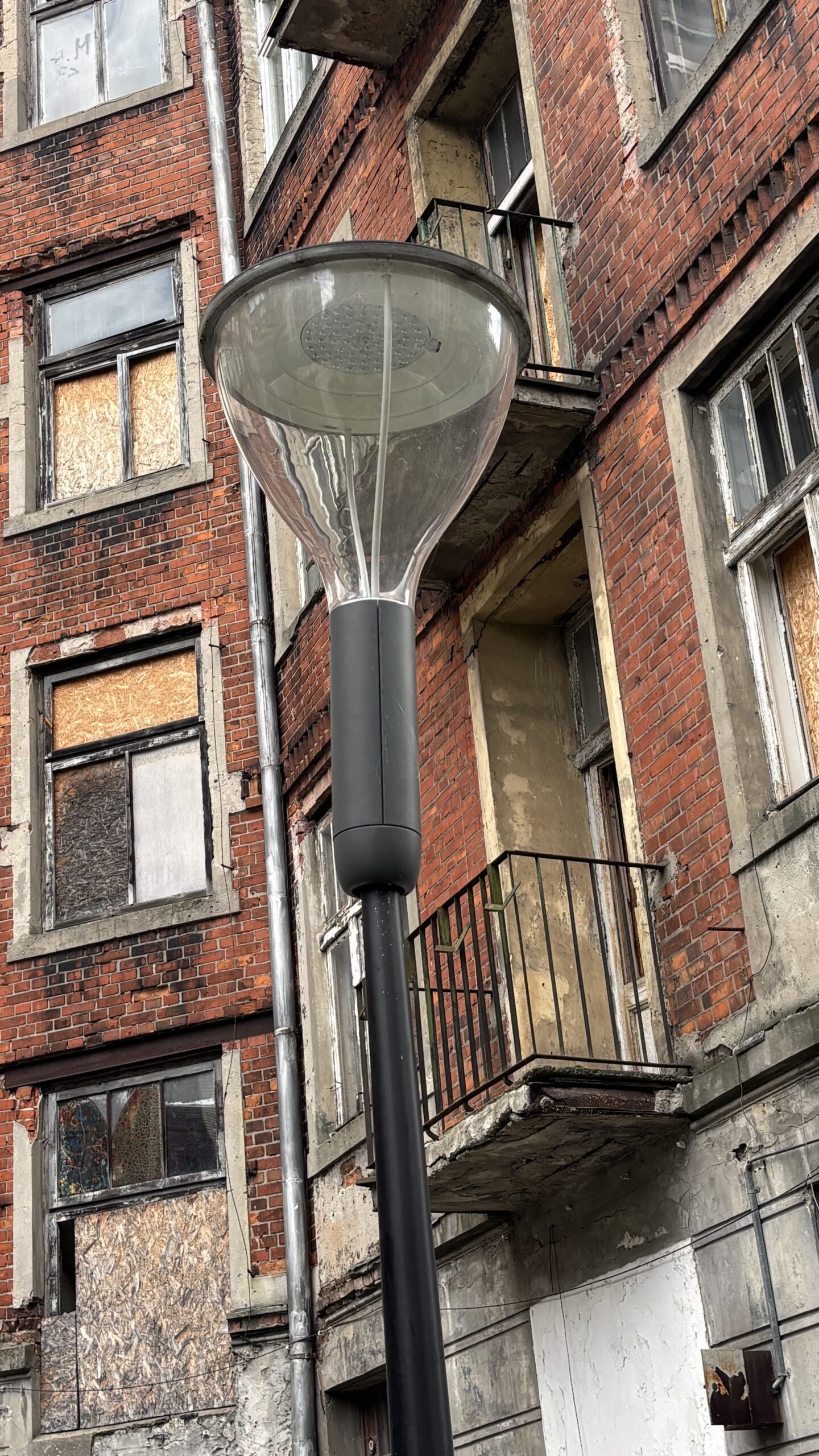
This raw, untouched backdrop is precisely why Roman Polanski brought his crew here to film The Pianist. Walking through these specific streets, it is easy to see how little editing was required to make the neighborhood look like a wartime ghetto. The bullet holes in the brickwork are not movie props; they are actual scars from a time when the city was tearing apart at the seams.
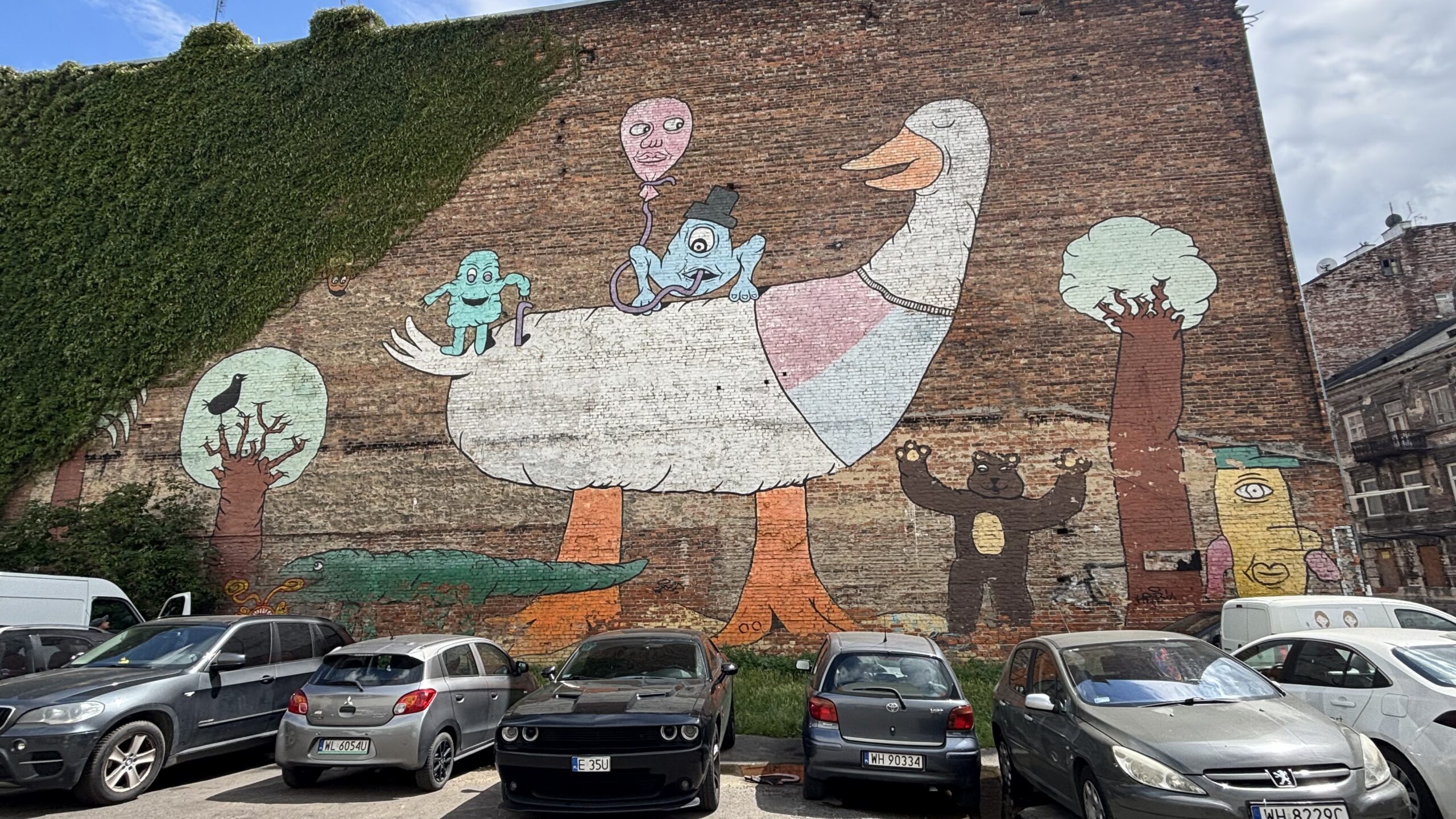
Look up from the crumbling brickwork, though, and you realize the neighborhood has also become an open-air art gallery. Giant, vivid murals stretch across the blank, windowless walls of these old tenements, acting as massive public canvases. Around the street corners, you come across pieces like the Warsaw Fight Club mural by Conor Harrington, which depicts figures in period clothing engaged in a dramatic clash. Nearby, the surreal watercolors of local artist Tytus Brzozowski spin architectural fantasies directly onto the plaster, capturing the dream logic of the neighborhood. These works do not try to cover up the decay. Instead, they use the weathered, uneven surfaces to give the art a deeper, heavier texture.
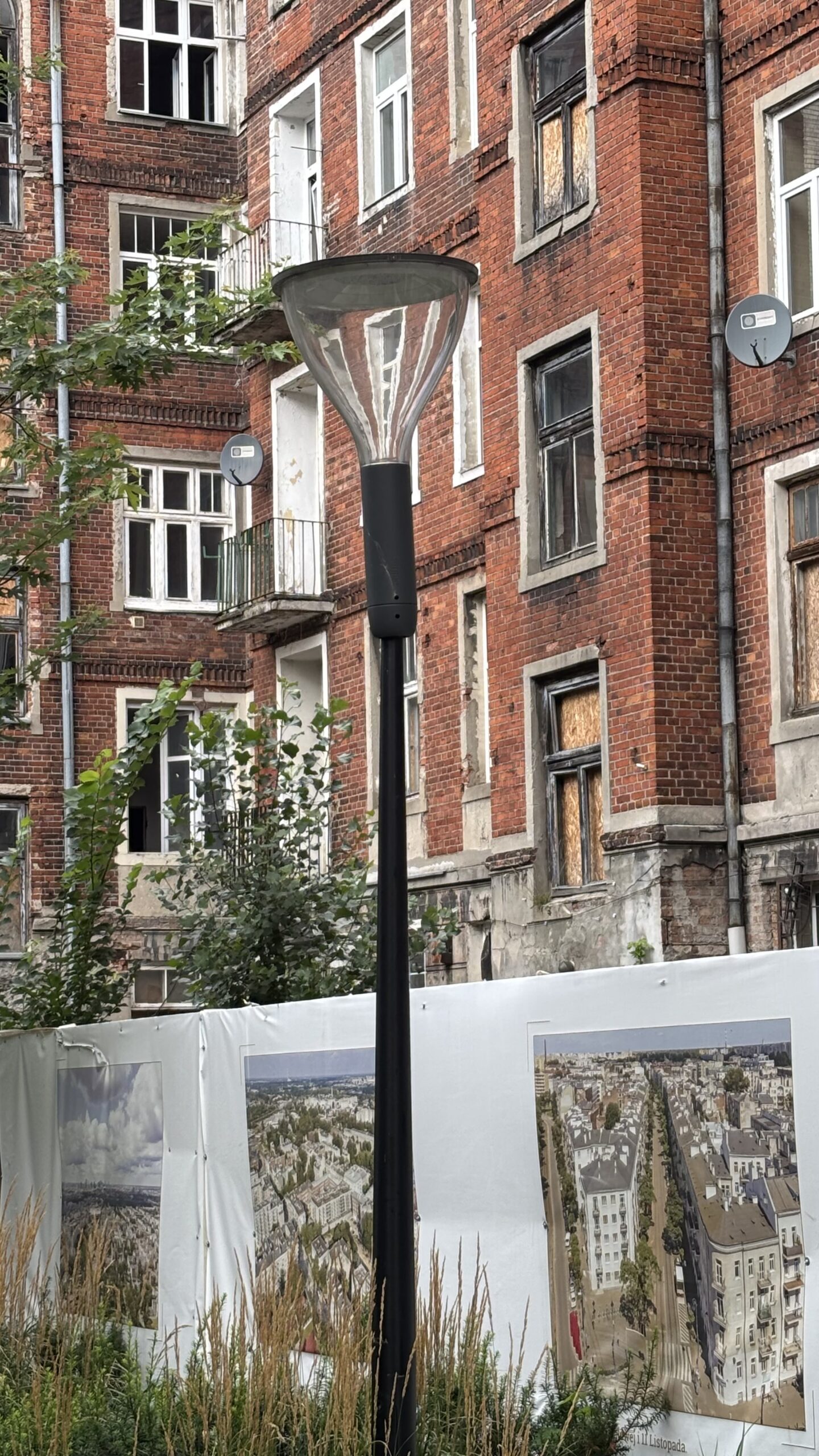
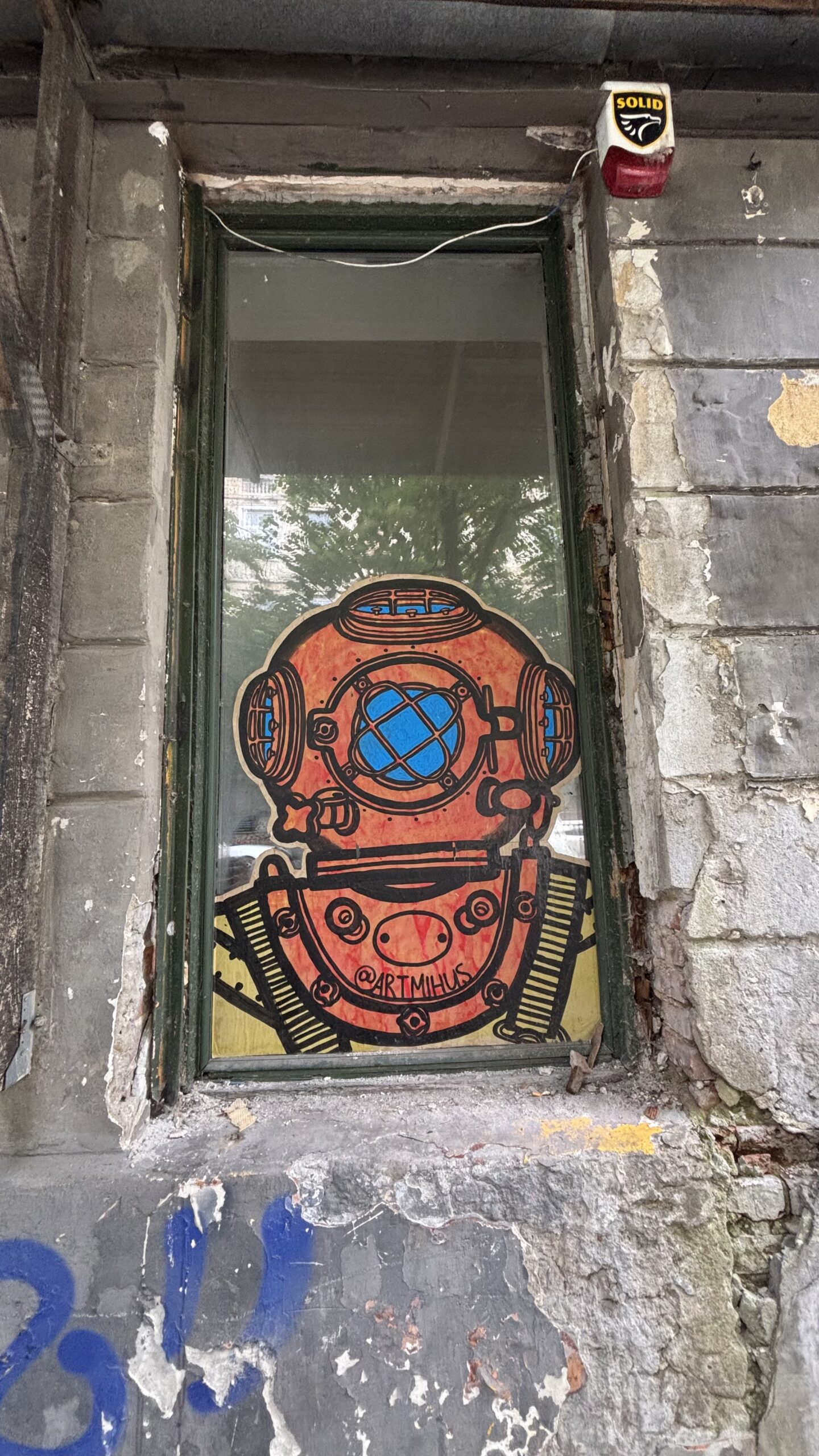
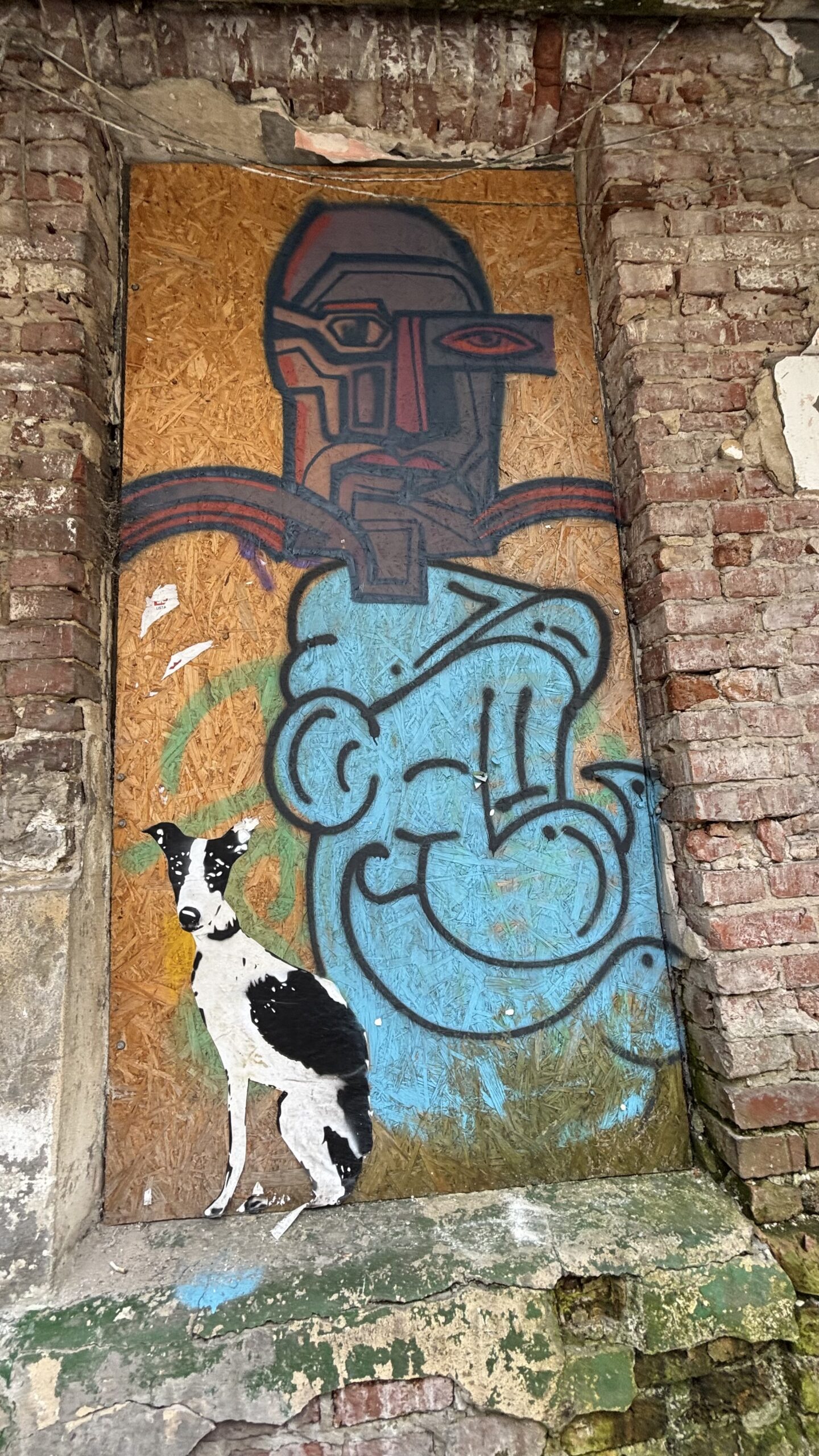
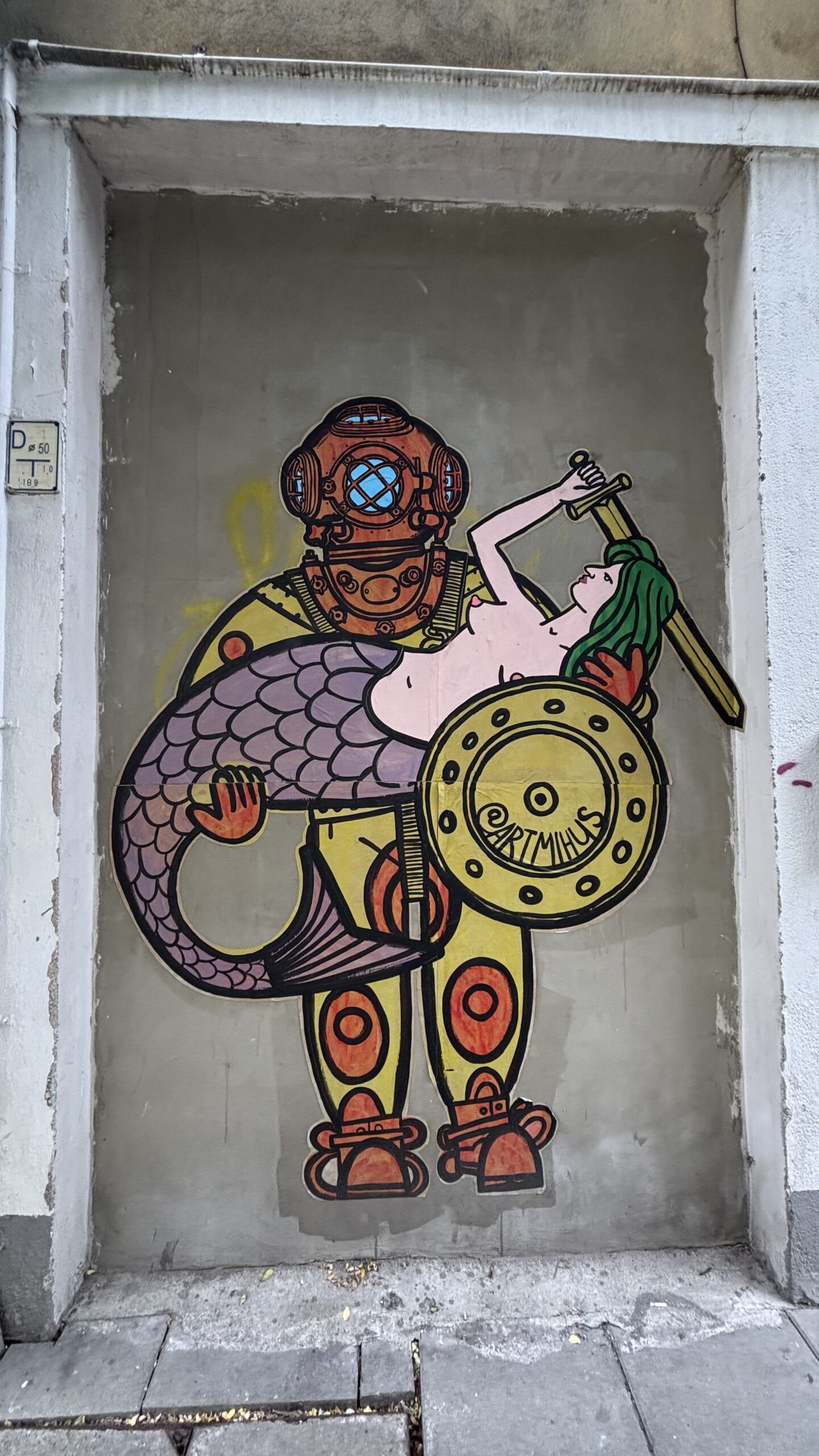


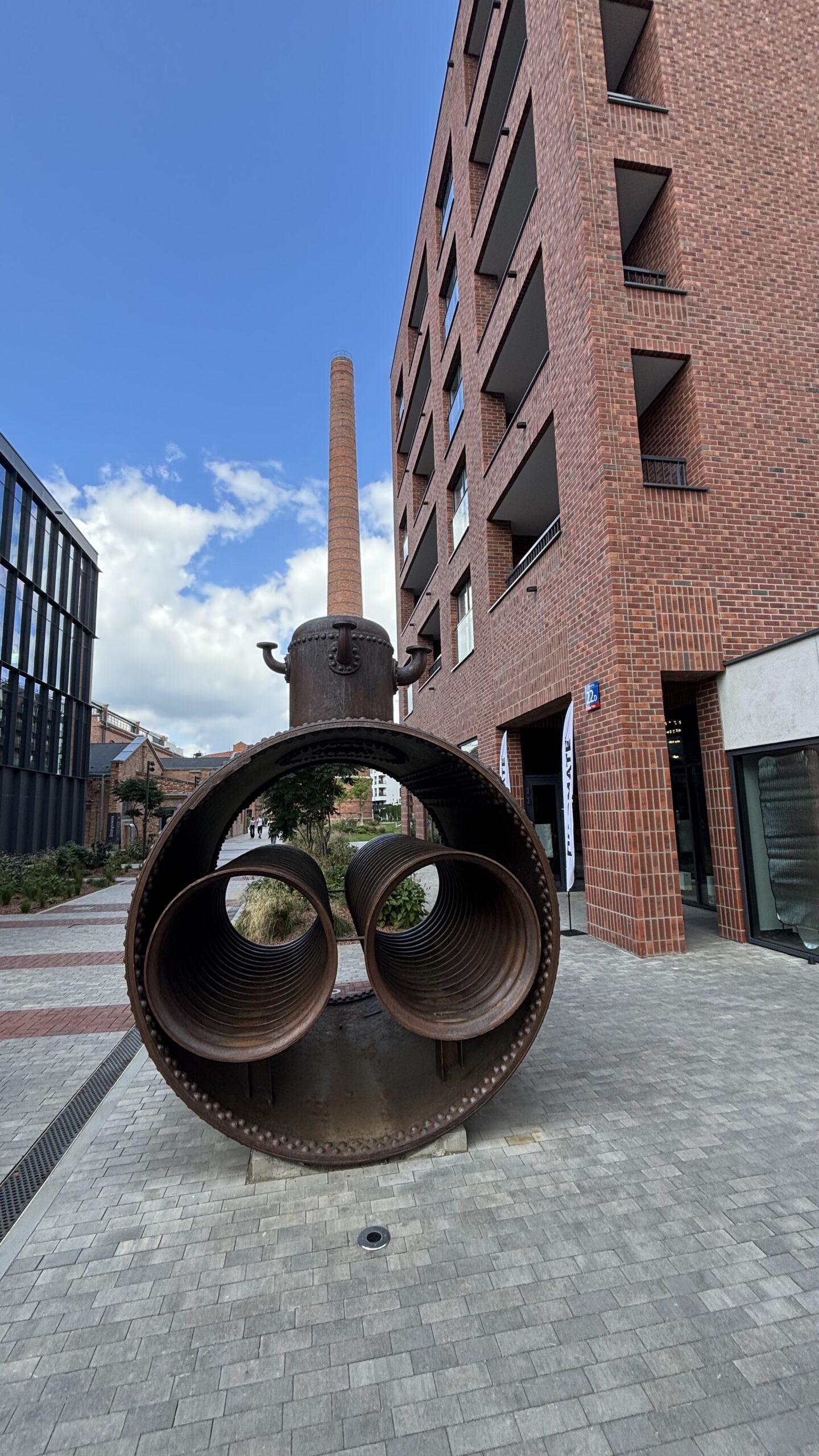
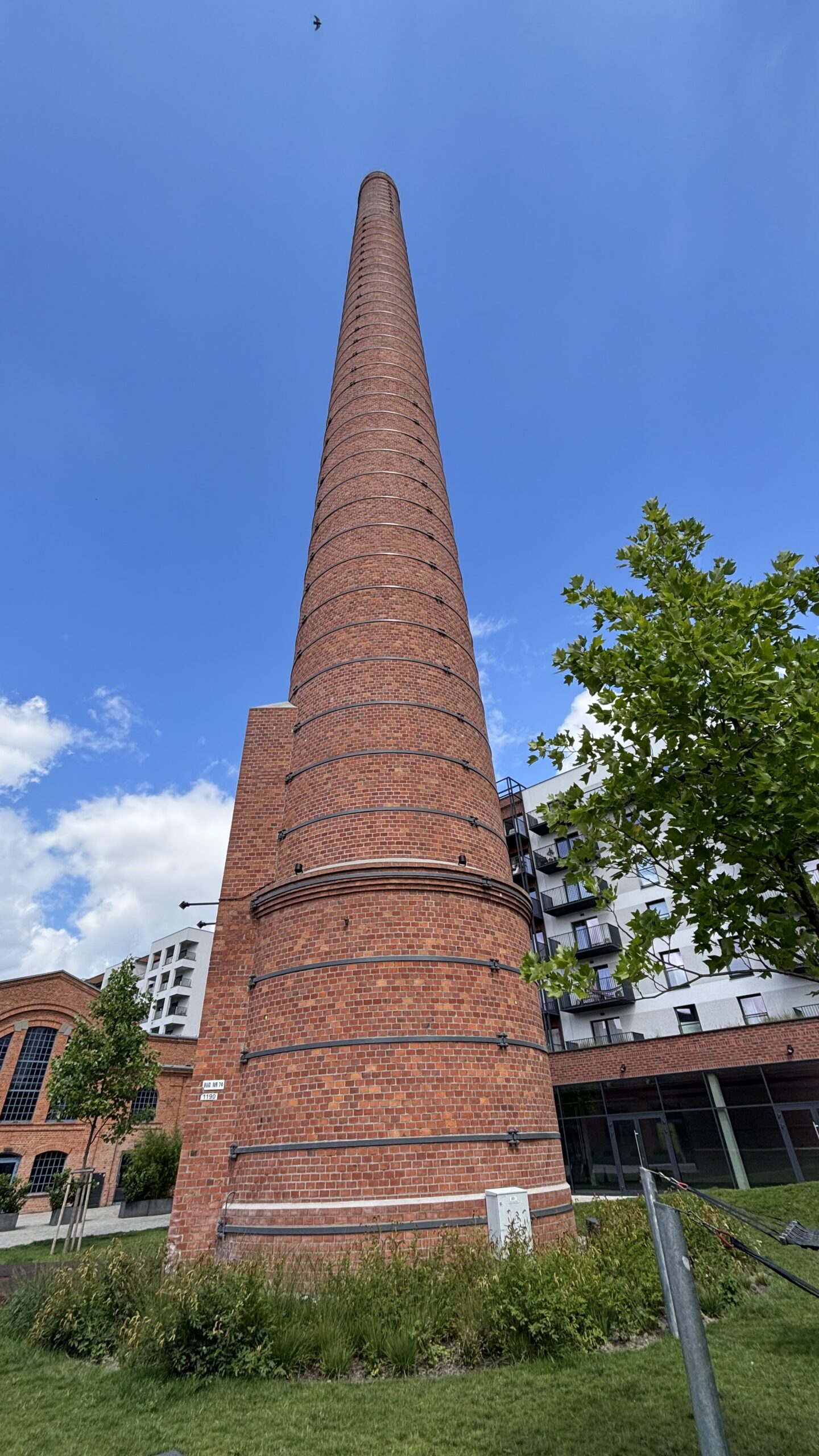
Just a short walk from Mała Street, the landscape shifts again as you enter the industrial heart of the district. Here, old warehouse buildings have been fully revitalized, their massive red-brick structures standing as monuments to Praga’s manufacturing boom. These renovated warehouses serve as a direct gateway into the historical vodka district, anchored by the sprawling Koneser factory complex. Once a nineteenth-century distillery that produced famous spirits like Wyborowa, Koneser has been completely repurposed into a trendy cultural hub.
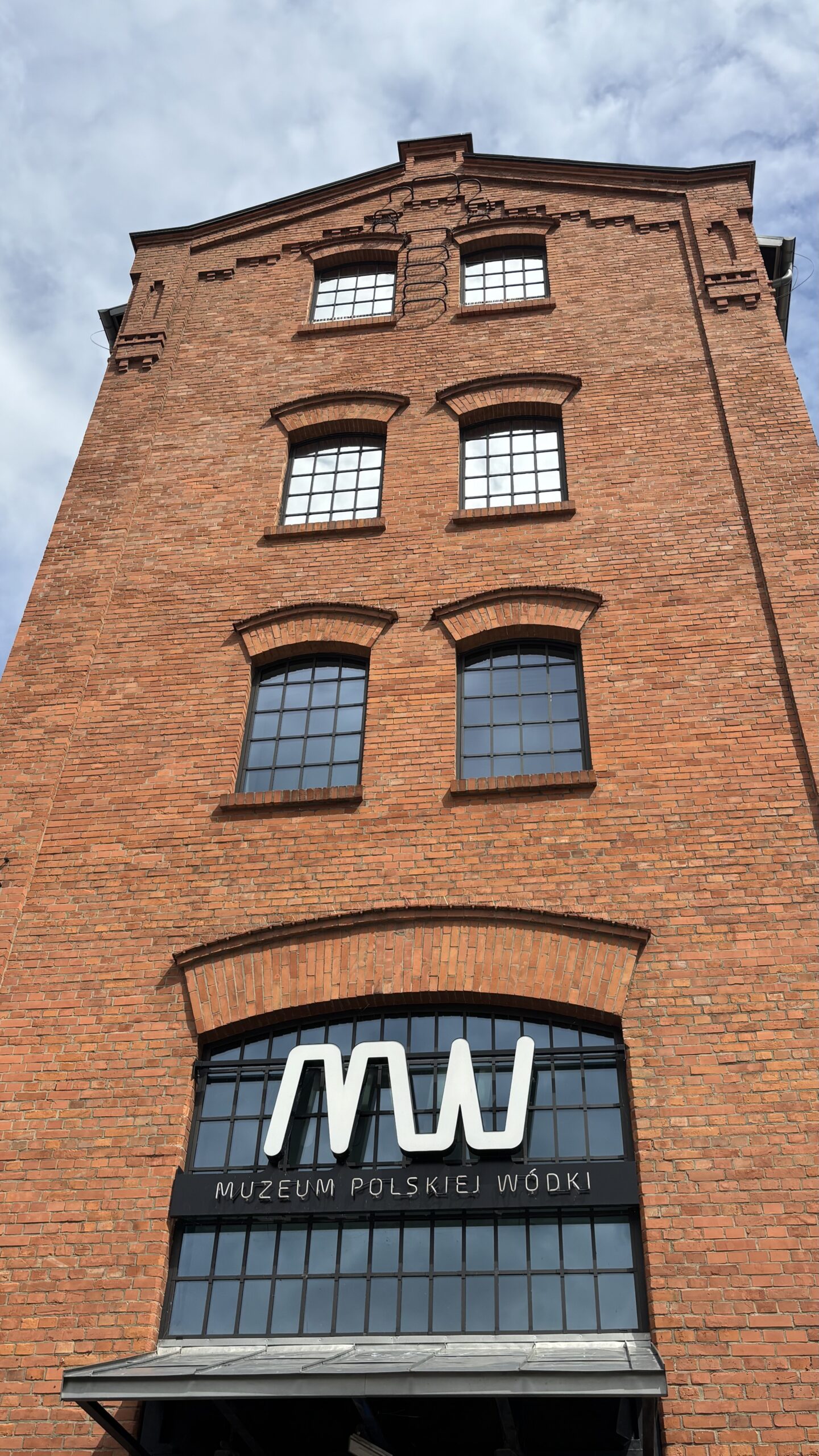
This specific type of redevelopment—often called registrification—deliberately keeps the historical architecture intact on the outside while inserting an entirely new, modern world on the inside. You can still see the sharp gables, the industrial chimneys, and the iron gates of the tightly guarded facility, but the interior spaces now host tech companies, art galleries, and upscale restaurants. It represents the contemporary face of Praga, where old manufacturing roots are traded for consumer experiences.
This rapid shift brings an unmistakable tension. Luxury loft conversions and specialty espresso bars now sit directly opposite traditional milk bars where elderly residents have bought cheap potato pierogi for generations, forcing a conversation about what happens when a long-ignored neighborhood suddenly becomes desirable.
We ended our day away from the polished lofts, heading back into the gritty energy of the older streets. Right on Brzeska Street, famous for its towering mural of a giant goose painted onto a weathered tenement facade, sits a popular outdoor street food spot called Pyzy Flaki Gorące. It is a vibrant hub where local motorcyclists park their bikes to grab a bite, exchange stories, and unwind. Sitting there with a cold local beer and a jar of traditional potato dumplings or tripe soup, surrounded by the rumble of engines and neighborhood chatter, the true lesson of Praga becomes clear.
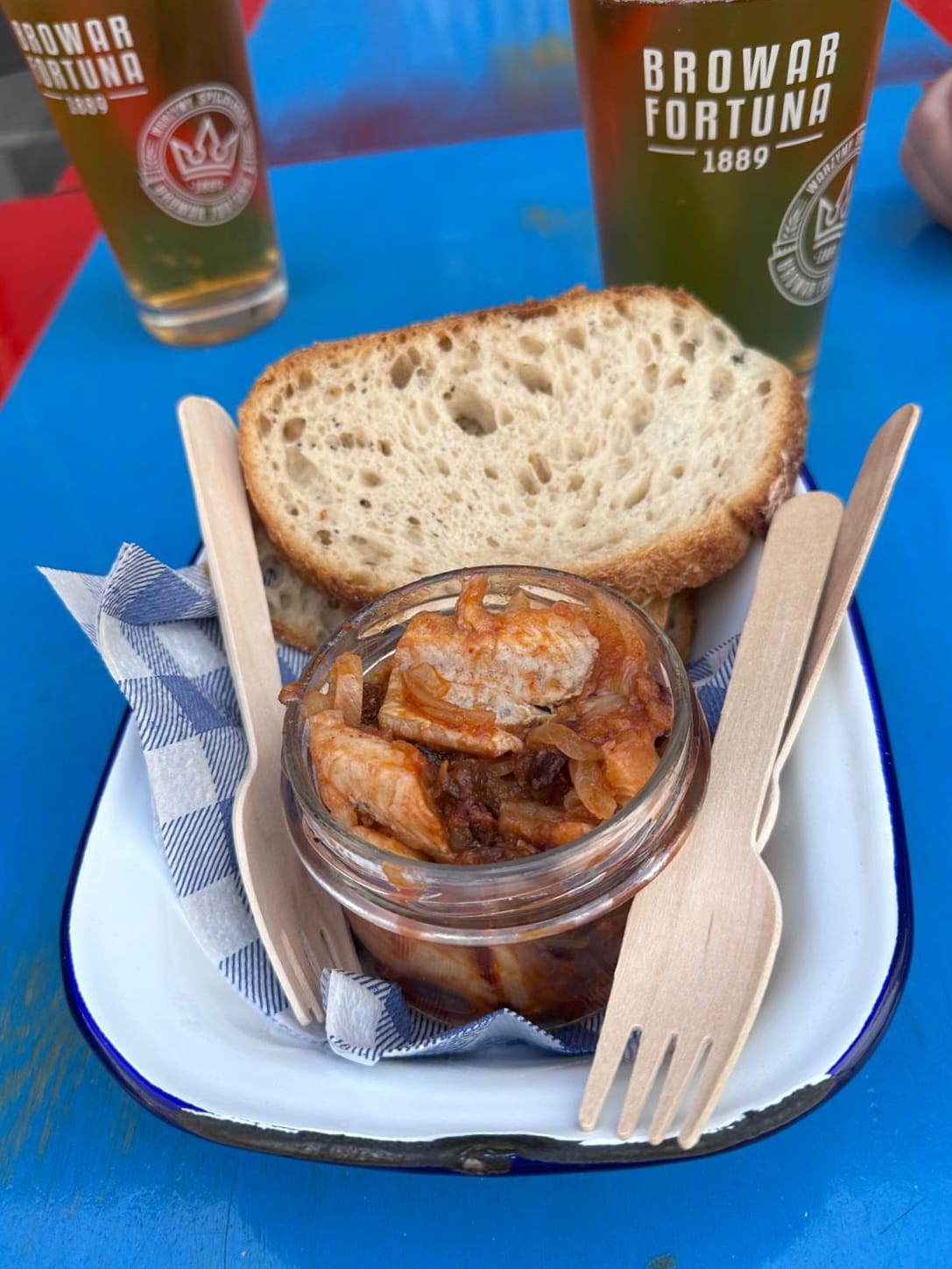
Survival is messy. It is not always clean or pretty; it smells like old buildings, it looks like graffiti, and it tastes like street food. Warsaw spent generations rebuilding a flawless version of its past from architectural blueprints, but Praga shows the immense value of keeping the scars intact. The bullet holes, the weathered brick, and the fading paint are not blemishes to be swept away. They are proof of endurance, reminding us that a city truly finds its identity not in what it builds new, but in what it manages to carry through the dark.
Join us on this curated Poland adventure, enjoy our short film:
“Some lessons are best served neat.”
—Nurit