
Everyone drives straight from Gdańsk to Warsaw, watching the Polish countryside blur past. But if you take a three-hour detour into the dense forests of the northeast, close to the Russian border, the landscape changes. The air gets heavier.
You find yourself in the middle of nowhere, standing before one of the most unsettling, fascinating modern archaeological sites on earth: the Wolf’s Lair (Wolfsschanze).
If these walls could talk, they would scream.
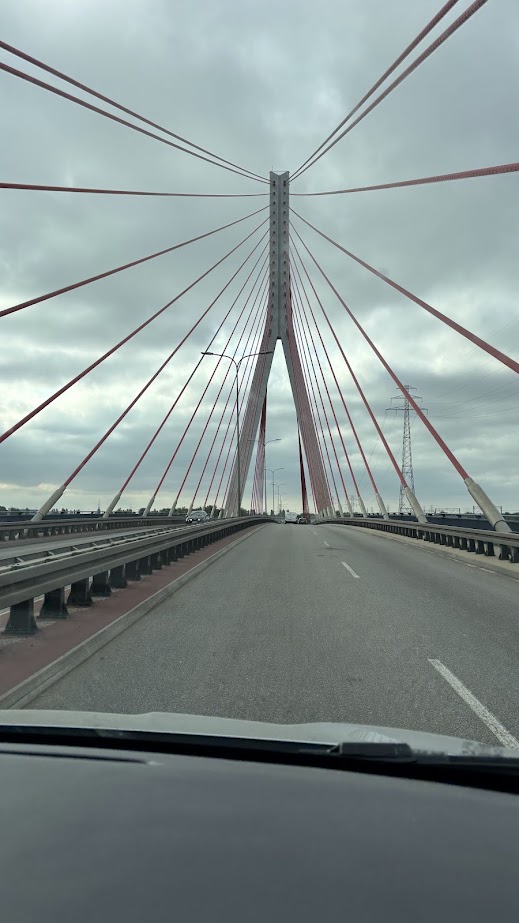
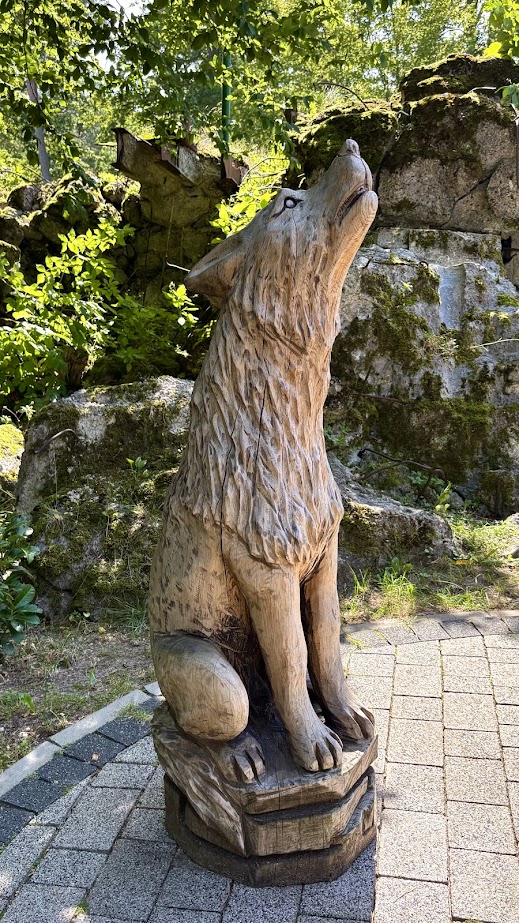
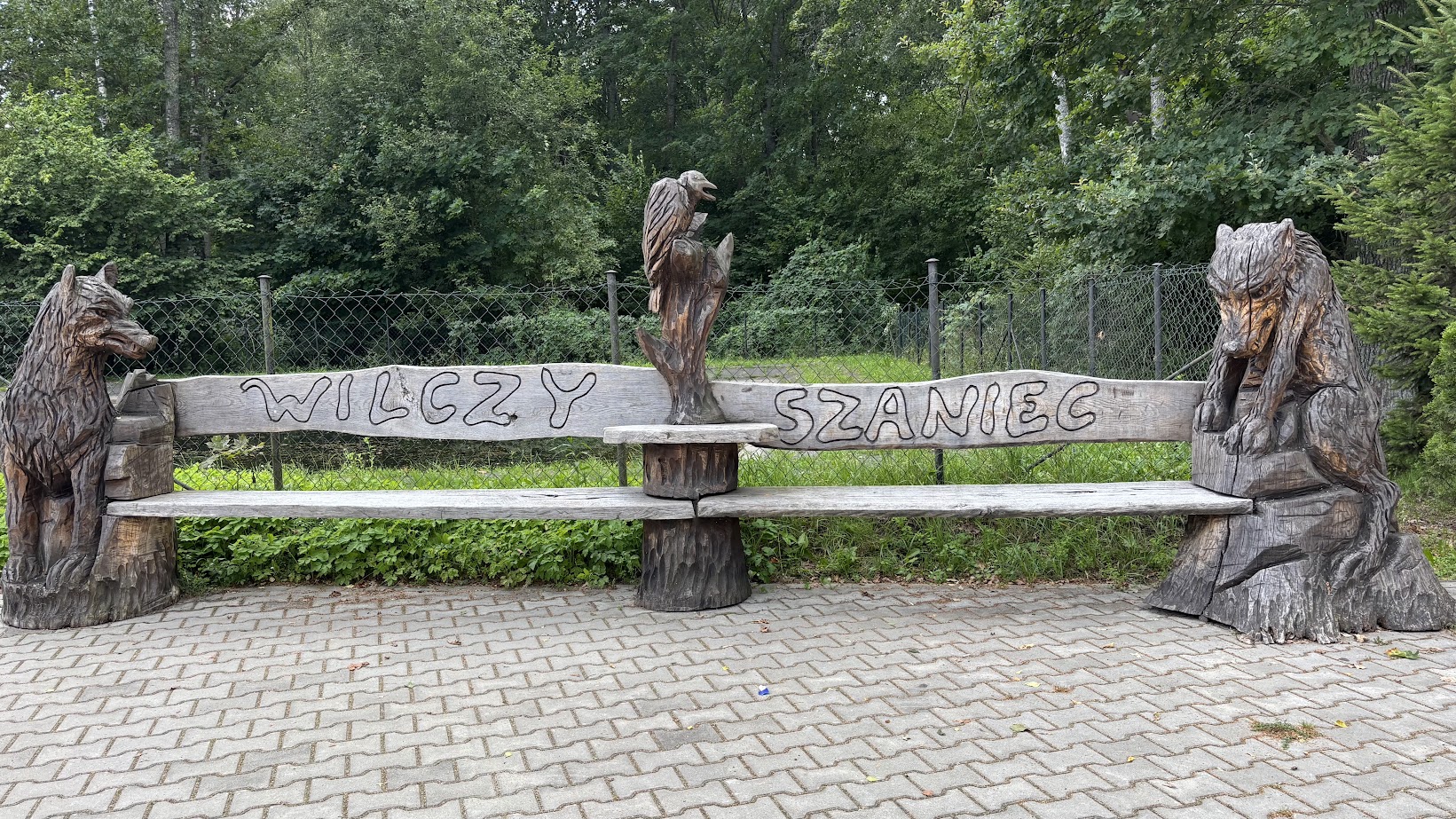
Deep in the Dark Forest
The Wolf’s Lair was Hitler’s top-secret Eastern Front military headquarters. It isn’t just a single building; it’s a massive, sprawling ghost town of concrete hidden deep within the woods. Walking through it feels like uncovering a dark, forgotten civilization. You pass crumbling SS quarters, Wehrmacht offices, visitor residences, and even the eerie remains of two casinos where officers unwound while orchestrating devastation.
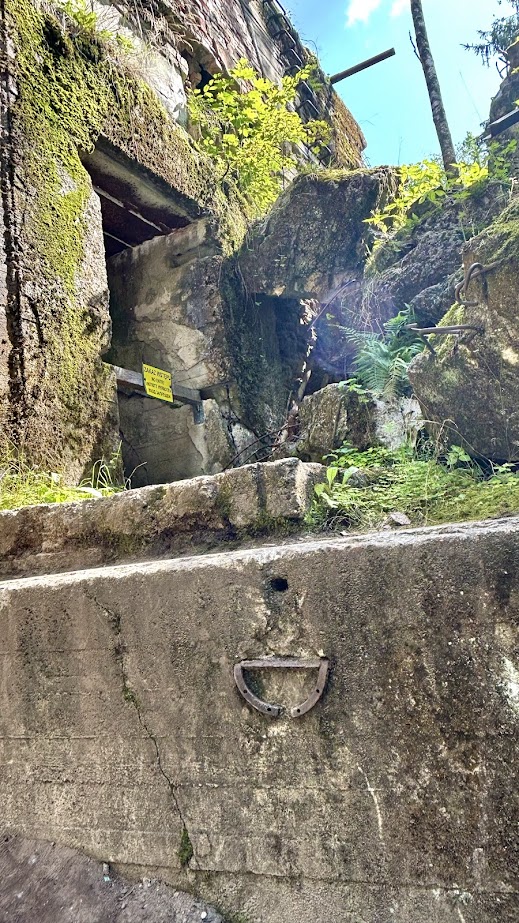
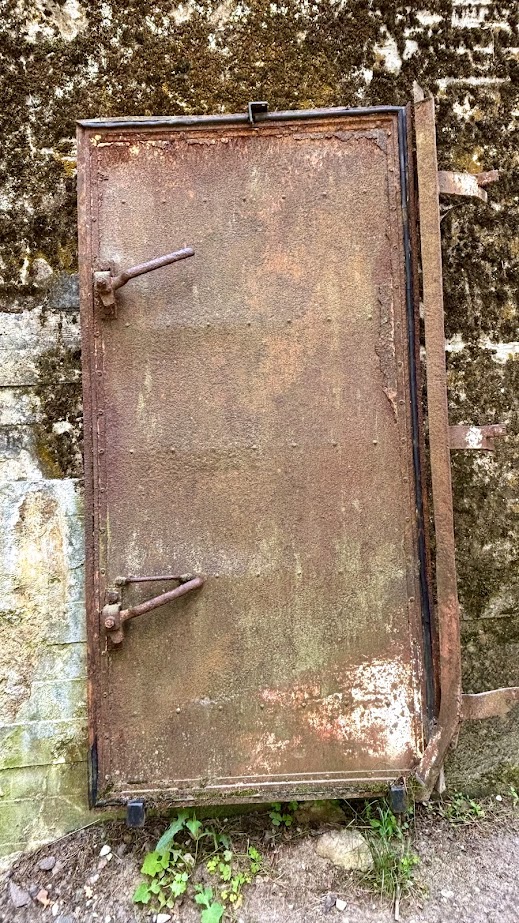
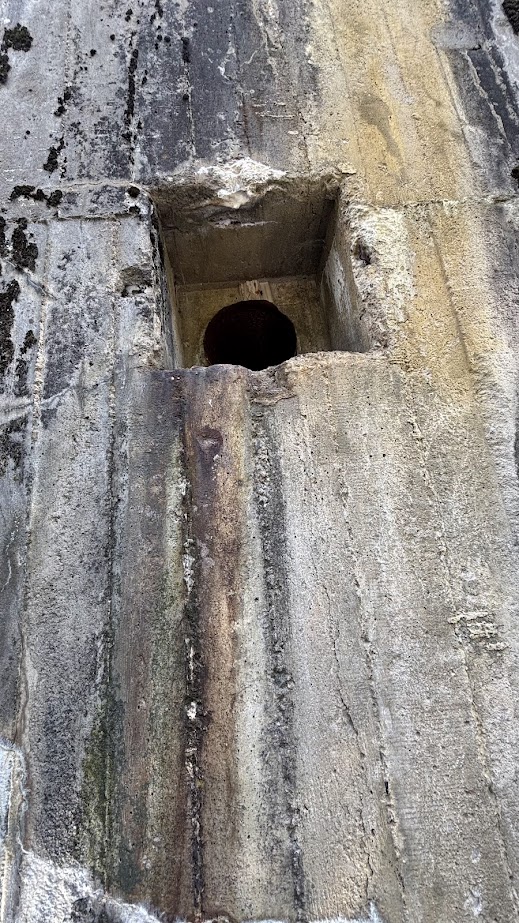
The forest has spent decades trying to reclaim the site, wrapping roots and moss around massive, exploded slabs of reinforced concrete and rusted iron doors. But you can’t mask the history here. The place still carries a heavy, stifling energy that is impossible to shake off.
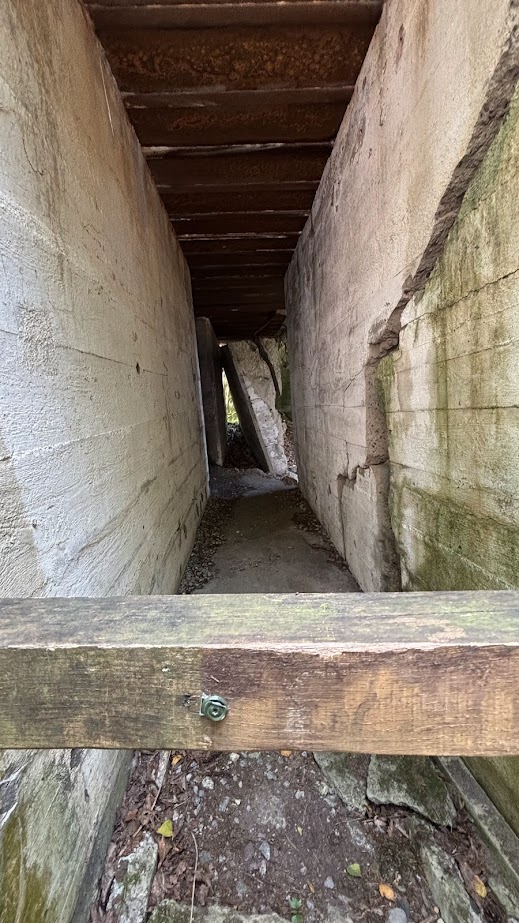
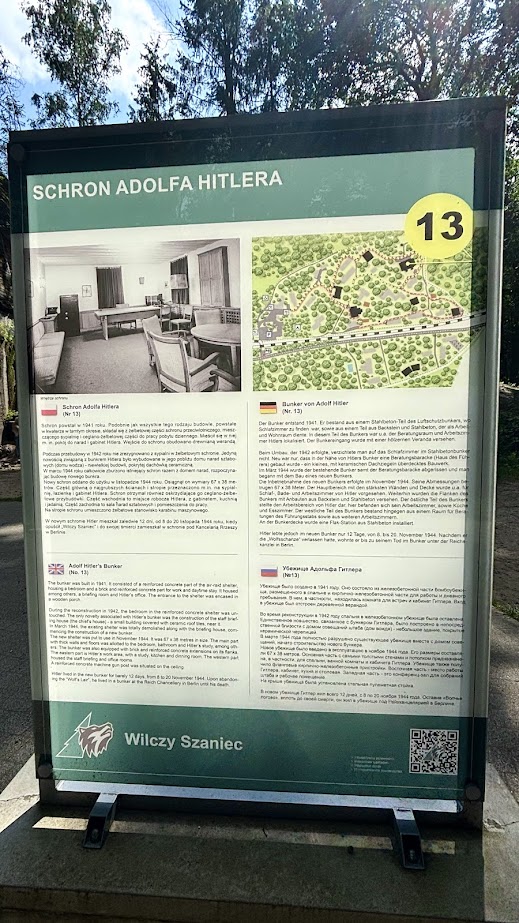
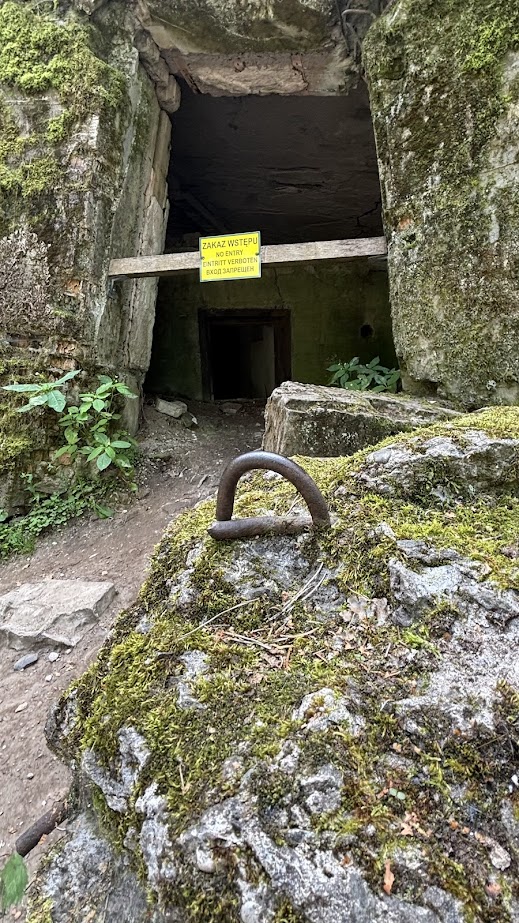
Inside Bunker 13
The absolute gravity of the site hits you at Bunker 13. This was Hitler’s personal bunker.
Stepping near it sends a chill down your spine. This is the exact spot where some of the darkest, most horrific decisions of World War II were signed into existence. It is also the site of the famous 1944 assassination attempt, where Claus von Stauffenberg detonated a briefcase bomb in a desperate bid to end the madness.
Standing on the very ground where history almost fractured is a surreal, sobering feeling.
A Haunting Archaeology
What makes the Wolf’s Lair so unique is that it doesn’t feel like a sterile museum with polished glass cases. It feels alive, or rather, dead and unburied. Beyond the ruins, there are striking exhibits showcasing Nazi artifacts and weapons, balanced beautifully by a deeply moving building dedicated to the courage of the Polish Resistance.
I thought I knew what to expect before we arrived, but being there on the ground is completely different. You aren’t just reading about history; you are breathing it in. You look at the shattered roofs and the iron rebar twisting out of the stone, and you can’t help but wonder how many millions of lives were altered by the whispers shared inside these walls.
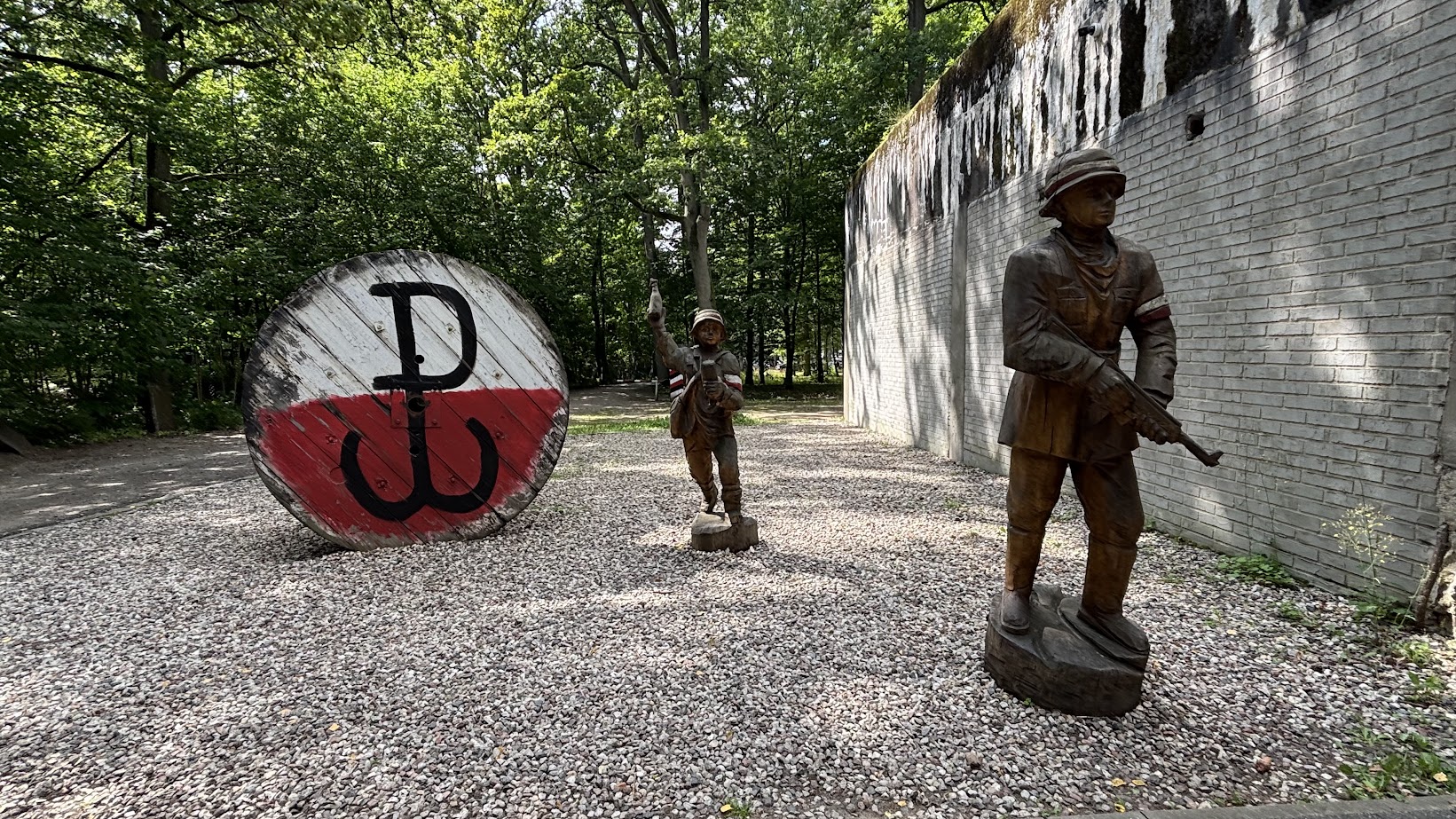
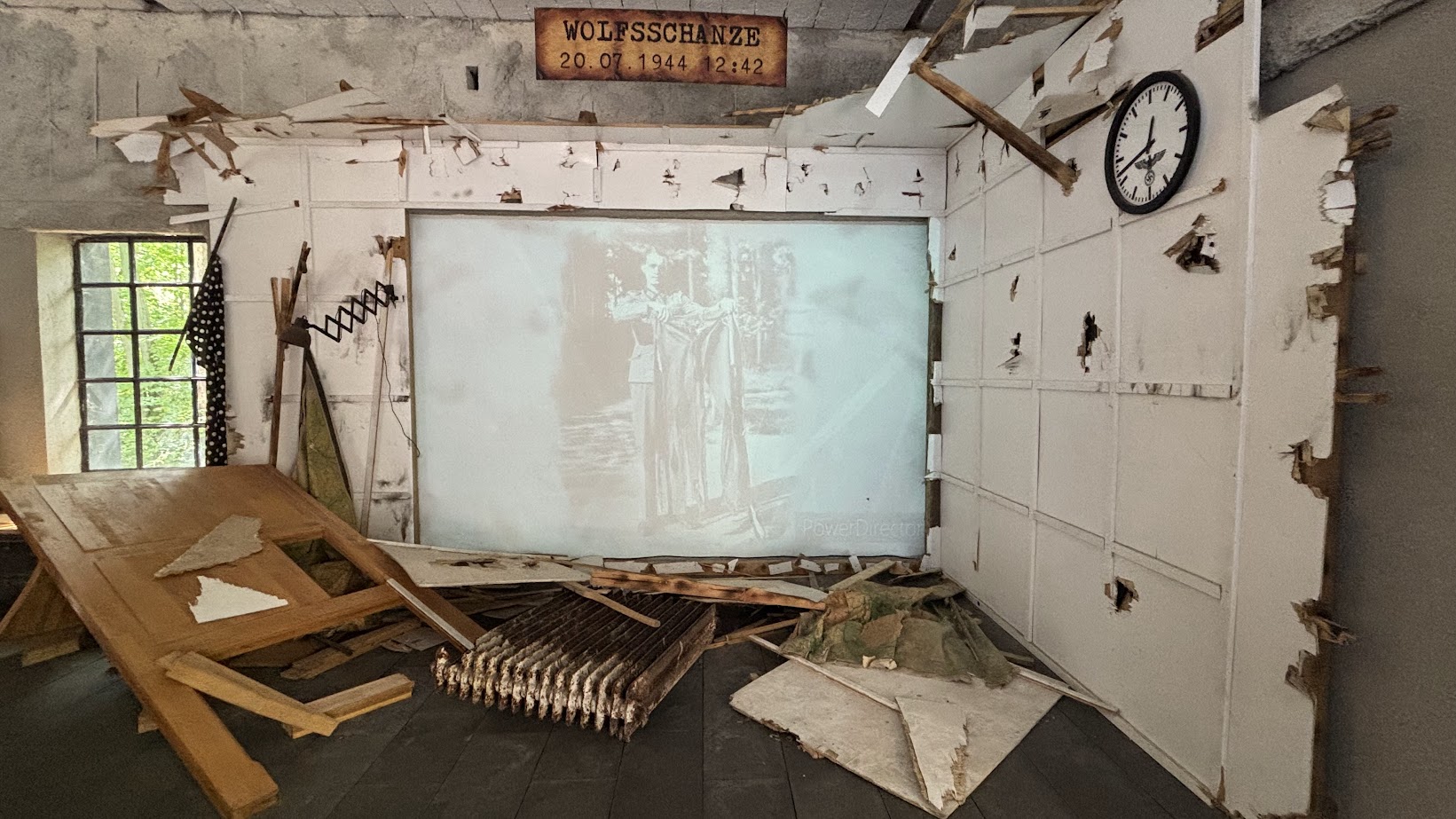
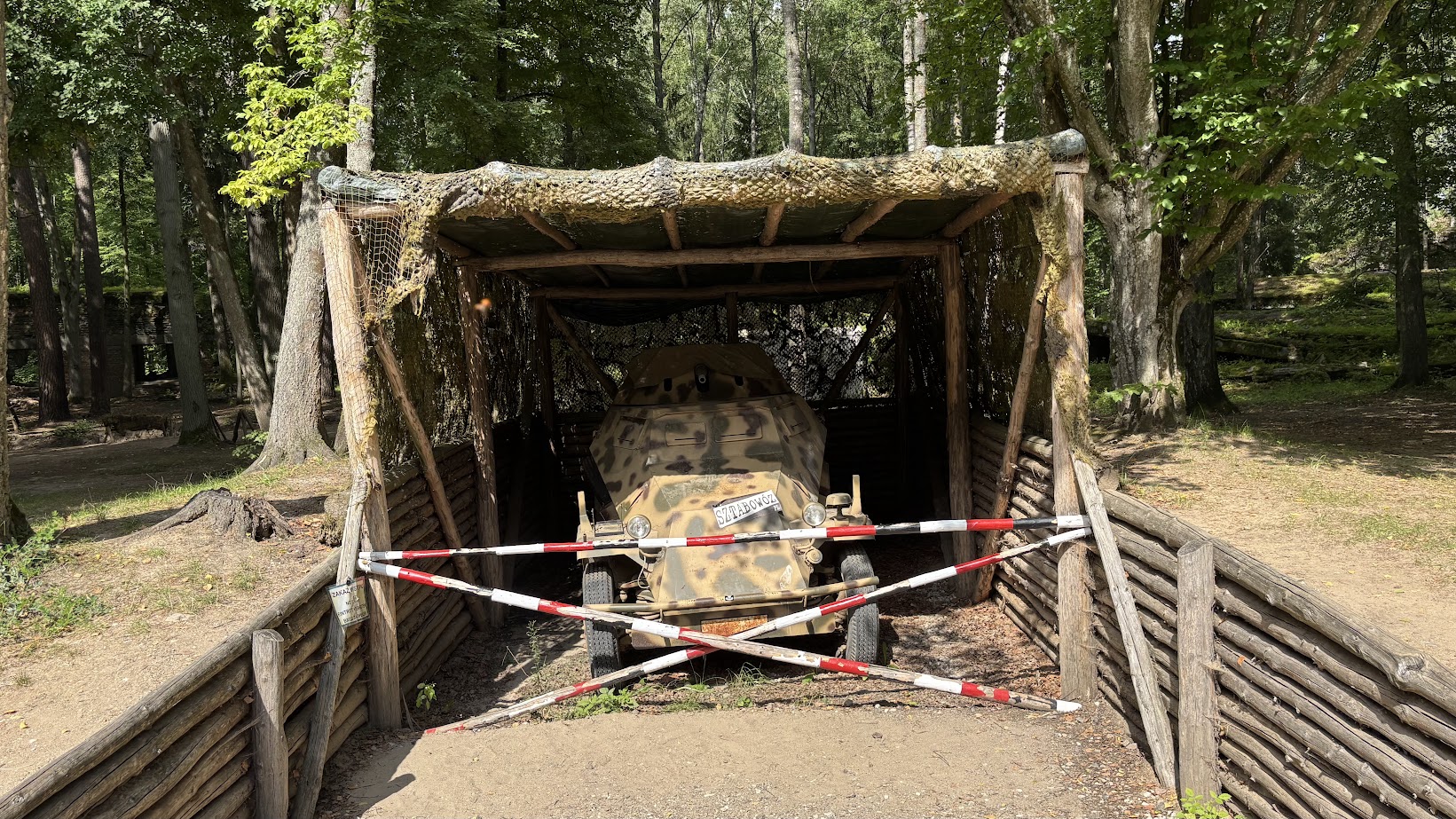
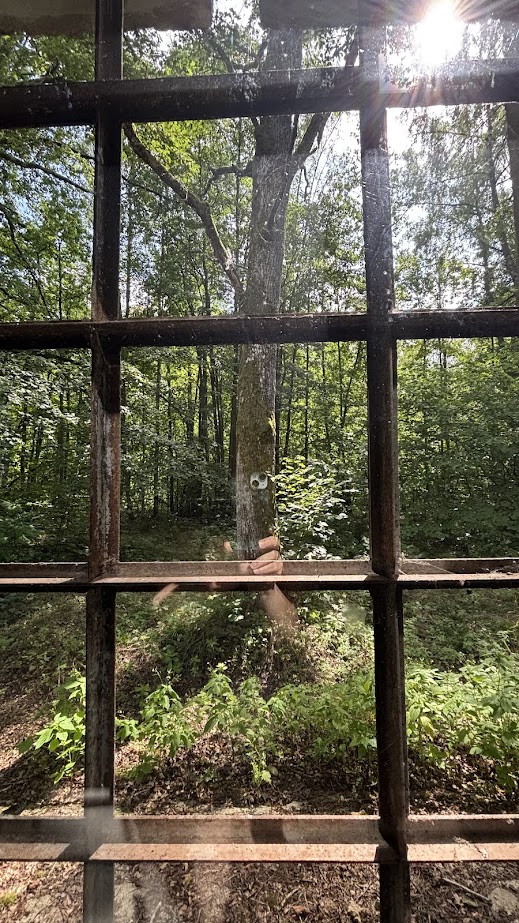
It is a dark, haunting, and completely unforgettable detour. If you are making the journey between Gdańsk and Warsaw, pull off the main road. Face the shadows. It’s a place that stays with you long after you leave the trees behind.
“Some lessons are best served neat.”
—Nurit