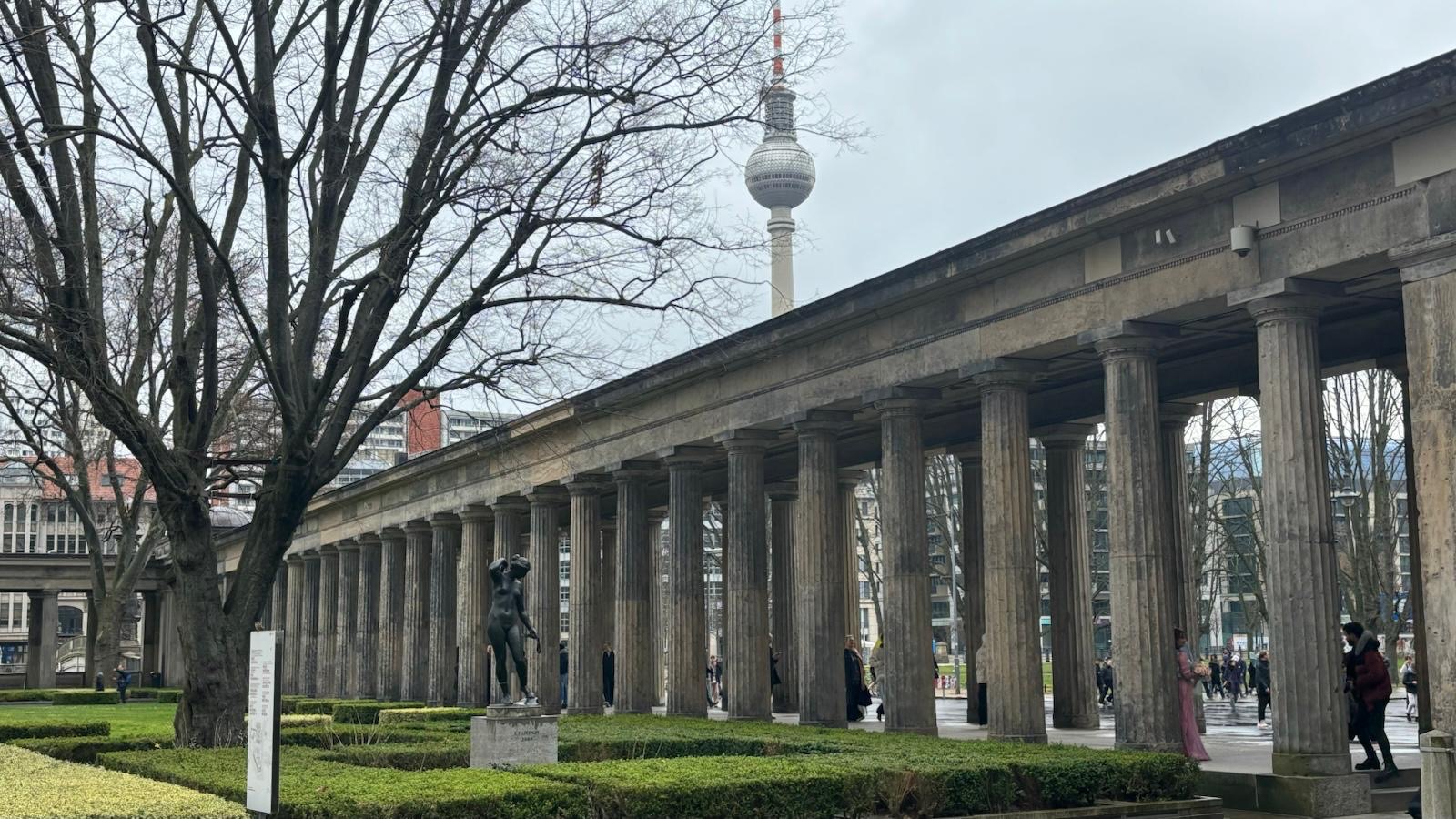
Berlin is celebrated for its museums, and with good reason. Many visitors head to the Pergamon on Museum Island, the DDR Museum, the Jewish Museum, or other well-known institutions. On this visit, I wanted something different. I looked for museums that feel like chapters in Berlin’s history, places where you can step into the past instead of simply reading about it.
These five museums trace the city’s timeline from ancient civilizations to modern reinvention. Each one represents a critical moment in Berlin’s development, from archaeology and Weimar-era experimentation to totalitarian rule, Cold War surveillance, and post-war cultural resurgence. Visiting them side by side allows you to experience history in a living, tangible way.
1. Neues Museum on Museum Island – Ancient Civilizations and Archaeology
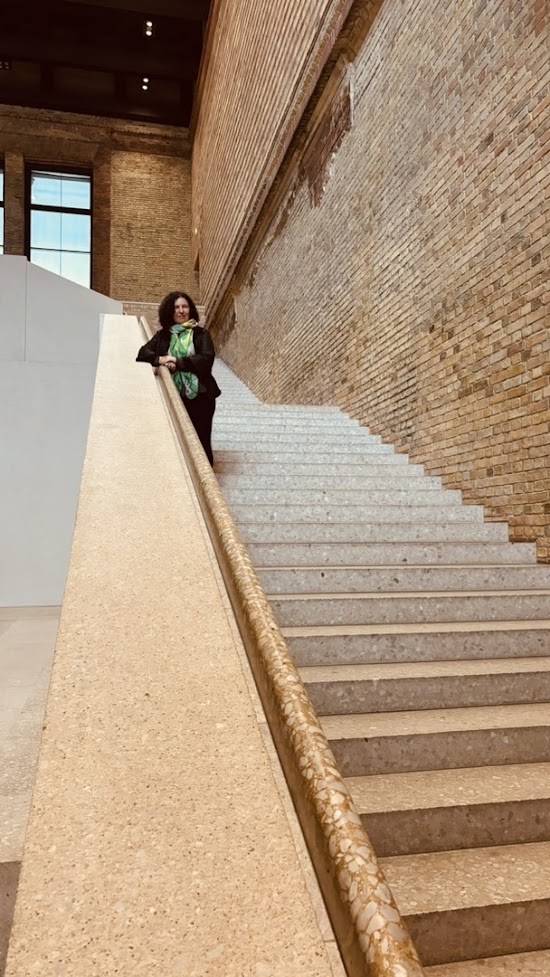
Neues Museum sits at the heart of Berlin’s Museum Island and holds some of the city’s most iconic ancient collections. It also reflects Germany’s growing role in archaeology during the 19th and early 20th centuries. Scholars, institutions, and royal patrons funded excavations across Egypt, the Near East, and prehistoric Europe to position Berlin as a global cultural capital.
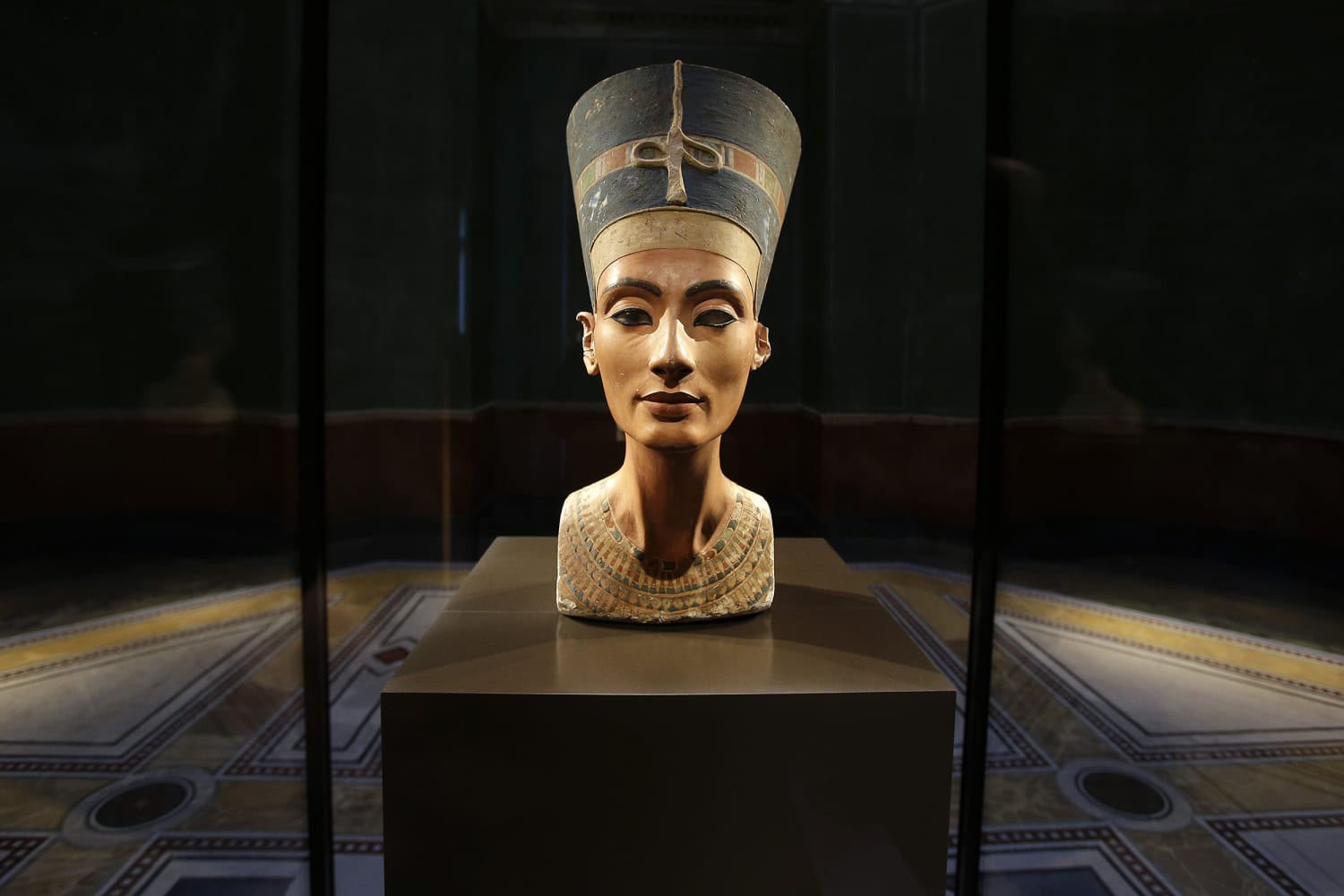
The bust of Nefertiti is breathtaking. At the same time, it reminds visitors of the ethical complexities of cultural collecting. Many artifacts were acquired during periods of colonial expansion, raising questions about ownership that continue today. Standing before these objects, you sense both the intellectual achievements of past scholars and the moral questions that accompany them. This museum shows how Berlin’s history is intertwined with global history and human curiosity.
2. Bröhan Museum near Charlottenburg Palace – Art Nouveau, Art Deco, and Berlin Secession
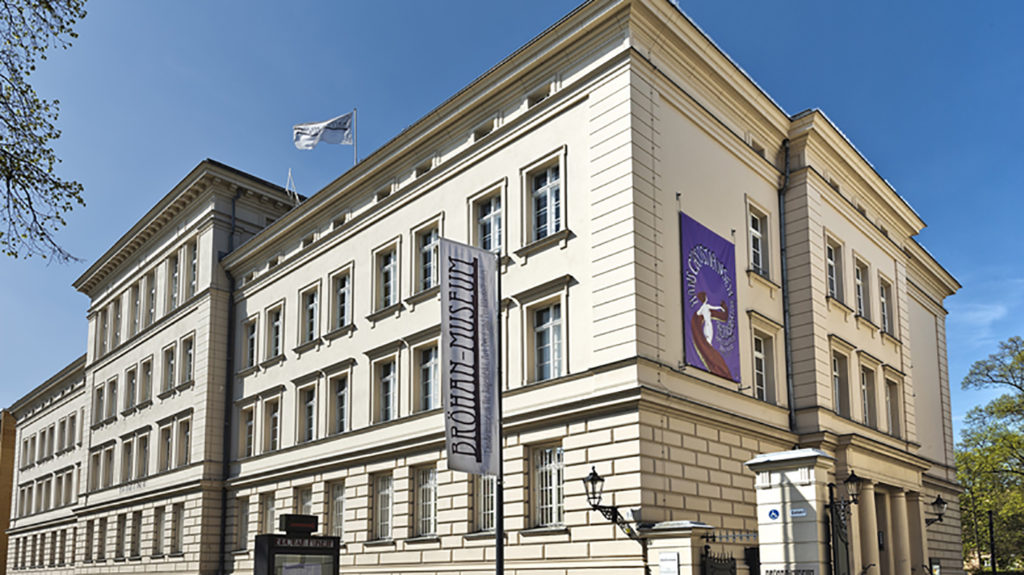
The Bröhan Museum, located near Charlottenburg Palace, is Berlin’s premier destination for art nouveau, art deco, and the Berlin Secession. Named after its founder, Karl H. Bröhan, a passionate collector and connoisseur of design, the museum reflects both his personal vision and the evolution of modern art in Berlin. Bröhan began collecting in the mid-20th century and opened a private museum in Dahlem in 1973. On his 60th birthday, he donated the collection to the city, and in 1983 the museum opened at its current location, a historic building originally built for the palace guards. It became an official city museum in 1994.
Inside, the museum presents a permanent collection across about 1000 square meters of exhibition space, which rotates every two years to highlight different aspects of its holdings. The collection spans art nouveau, art deco, and Berlin Secession works, while special exhibitions explore applied arts, design, and contemporary connections to these movements. Walking through the museum, you sense how Berlin embraced artistic innovation during the early 20th century, creating a dialogue between style, society, and intellectual experimentation.
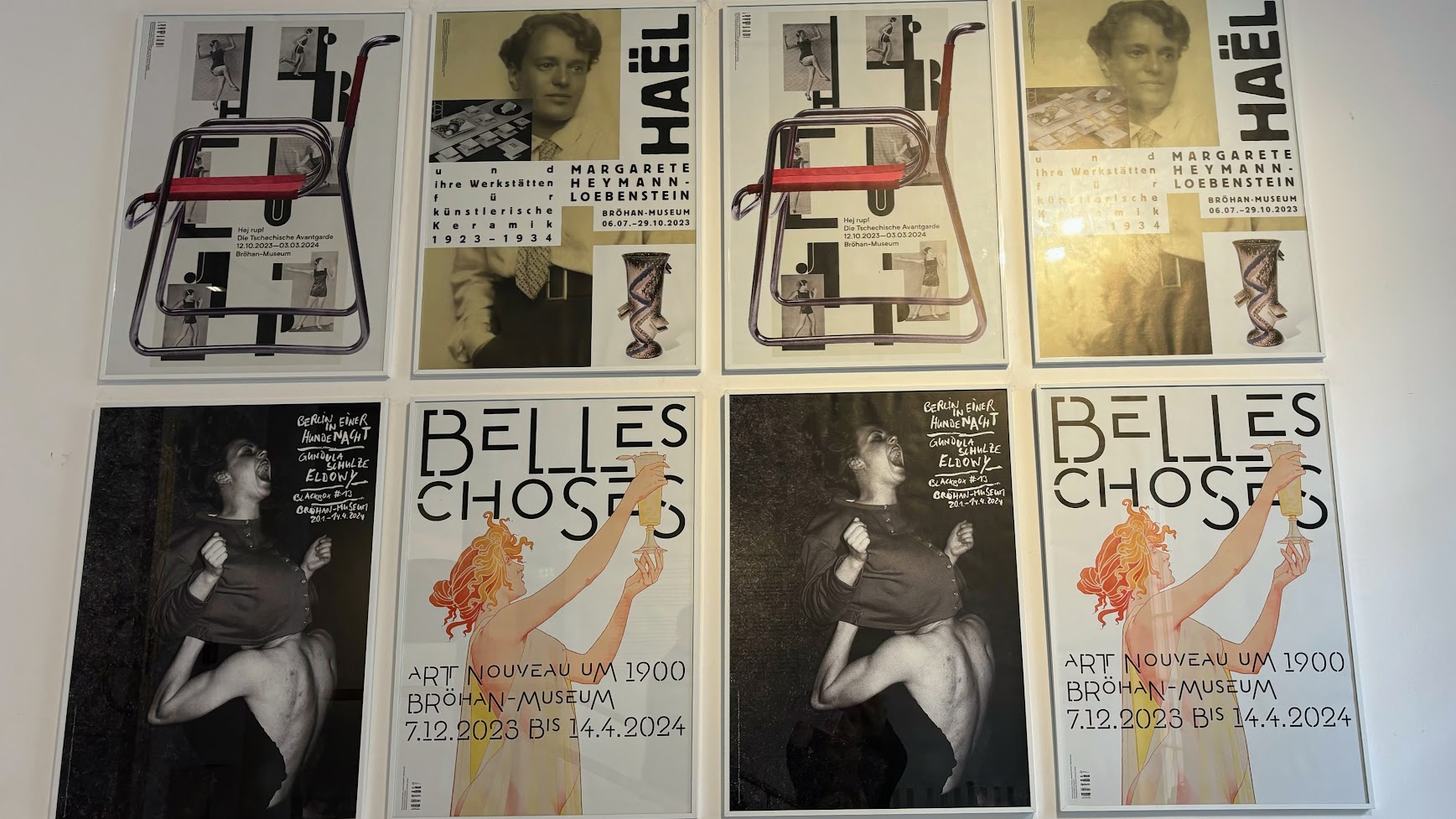
The museum also engages with the social and cultural forces that shaped these movements. Art nouveau and art deco were not only aesthetic statements; they reflected changing social norms, modern urban life, and the ambitions of a city redefining itself. Visiting the Bröhan Museum gives you both an understanding of Berlin’s artistic heritage and a sense of how the city continues to find relevance in its creative past.
Furniture, fashion, typography, and interiors illustrate the creativity of the Weimar era. Every piece tells a story of escape and rebellion. There is a darker undertone: within a decade, many of these artists and cultural figures would face exile, censorship, or persecution. The museum highlights the intellectual and social impact of design, showing how culture can both reflect and influence society.
3. Topography of Terror on Niederkirchnerstraße – Nazi History and Sites of State Terror
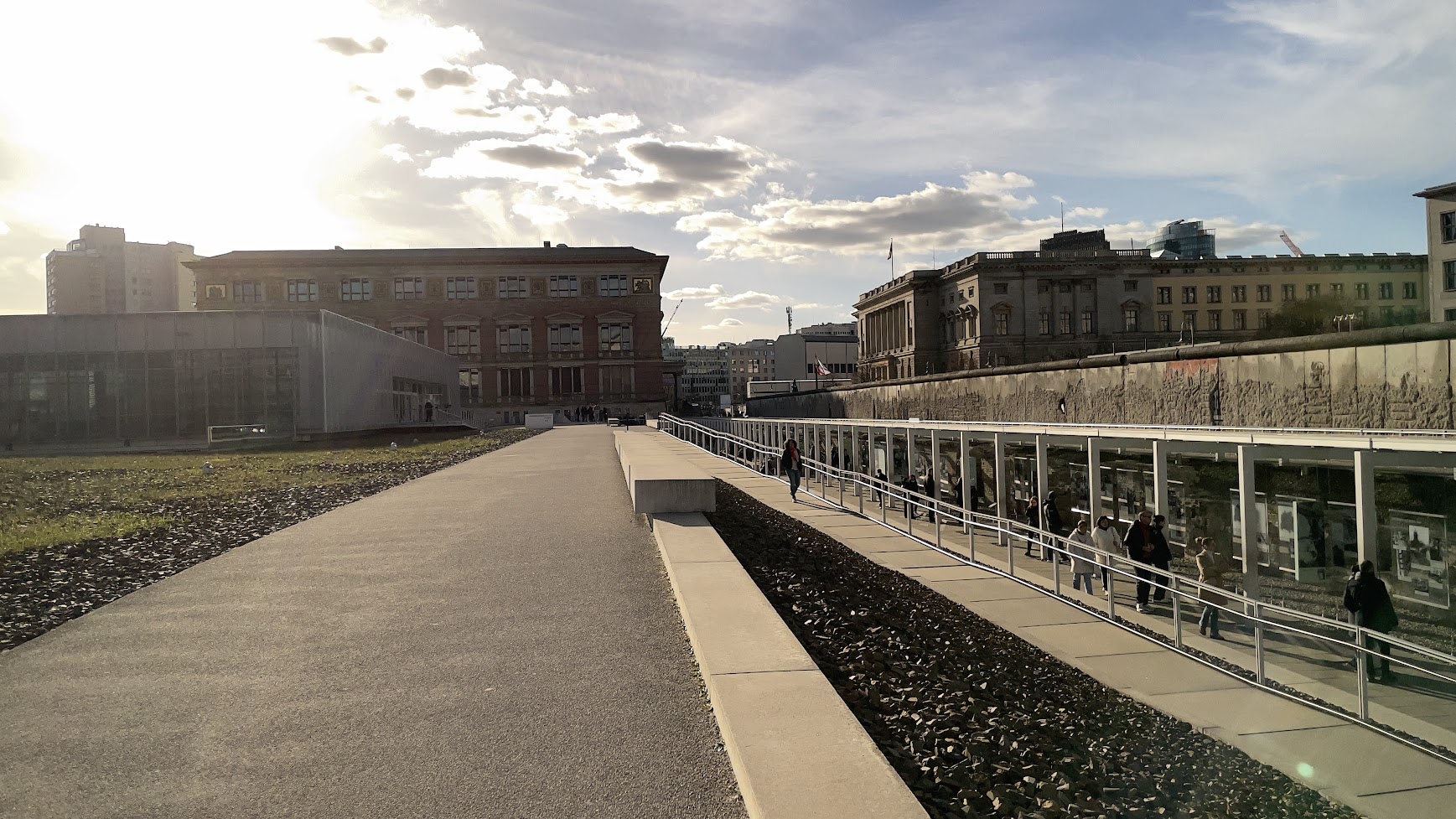
Topography of Terror occupies the site of the former Gestapo and SS headquarters, the administrative and ideological center of Nazi terror. Inside, original documents, photographs, and testimonies confront visitors with the realities of mass surveillance, deportation, and genocide.
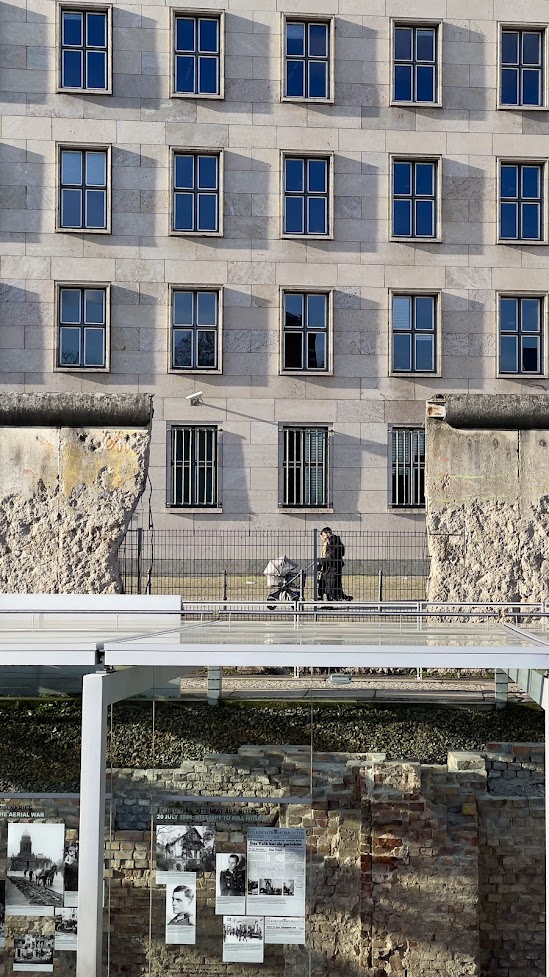
The outdoor section allows you to walk along the foundations of the SS and Gestapo buildings. Panels explain the crimes committed there, making the experience immersive and sobering. This museum demonstrates the devastating social impact of state power and serves as a place for reflection, learning, and remembrance.
4. Stasi Museum in Lichtenberg – Surveillance, Cold War, and German Reunification
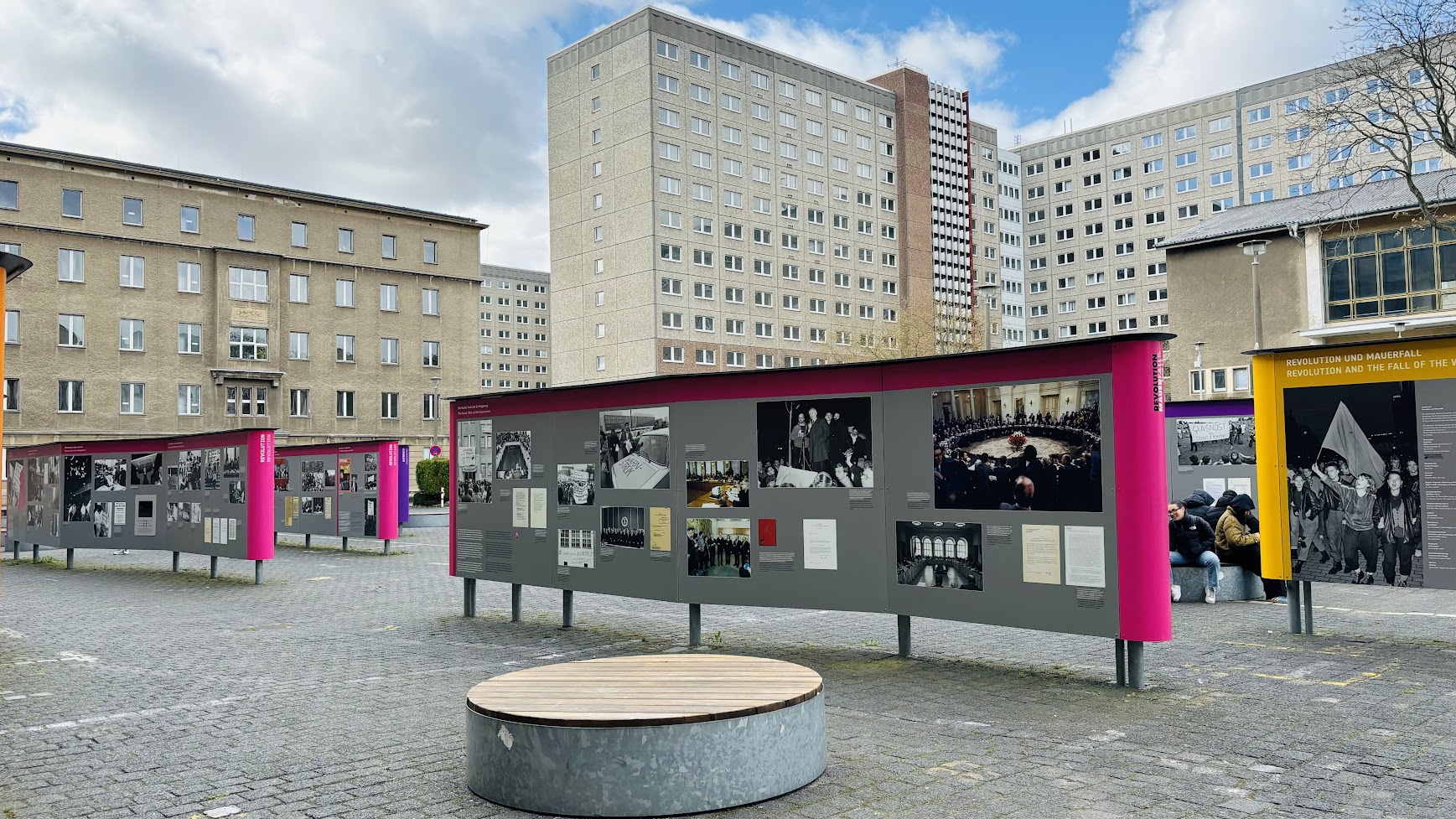
The Stasi Museum is in the former headquarters of East Germany’s Ministry for State Security. Inside, exhibits show how the Stasi monitored citizens with files, bugging devices, cameras, and listening posts. The scale of surveillance makes clear how oppressive systems reshape everyday life.
Outside, the museum has an open-air exhibition that provides historical context and traces the path toward German reunification. Panels and displays explain the building’s role in the GDR, the system of state control, and the events that led to the fall of the Berlin Wall and the end of East Germany. Visiting both indoor and outdoor exhibits gives a complete picture of life under the Stasi and the forces that eventually brought freedom.
5. Hamburger Bahnhof near Berlin Hauptbahnhof – Modern and Contemporary Art with Historical Reflection
Hamburger Bahnhof, a former train station, now houses modern and contemporary art. Post-war Berlin used creativity to process trauma, critique ideology, and reconstruct identity.
Some artworks provoke, some confuse, some inspire. The building itself carries darker memories. During the Nazi era, nearby rail lines transported people labeled “unfit,” including the physically and mentally handicapped, to killing centers. Today, the museum transforms that past into a space of reflection, creativity, and cultural dialogue.
Why These Museums Matter
Together, these five museums are Berlin’s timeline brought to life. They show how the city moved from ancient ambition and artistic experimentation to oppression, surveillance, and eventual reinvention. Each museum illuminates history, culture, and society in a way that is both intellectually engaging and emotionally moving.
Visiting them offers more than facts. It is a way to connect with Berlin’s layered history, understand its social transformations, and appreciate the resilience of its culture. For anyone planning a trip, we also put together a short movie from our last visit to Berlin along with sample itineraries that include these museums and other highlights of the city.
Join us on this curated Berlin adventure, enjoy our short film:
“Some places sparkle with fame. Others glow quietly. Verona and Sirmione belong to the second kind, and that’s exactly why I love them.”
—Nurit
Related Itineraries