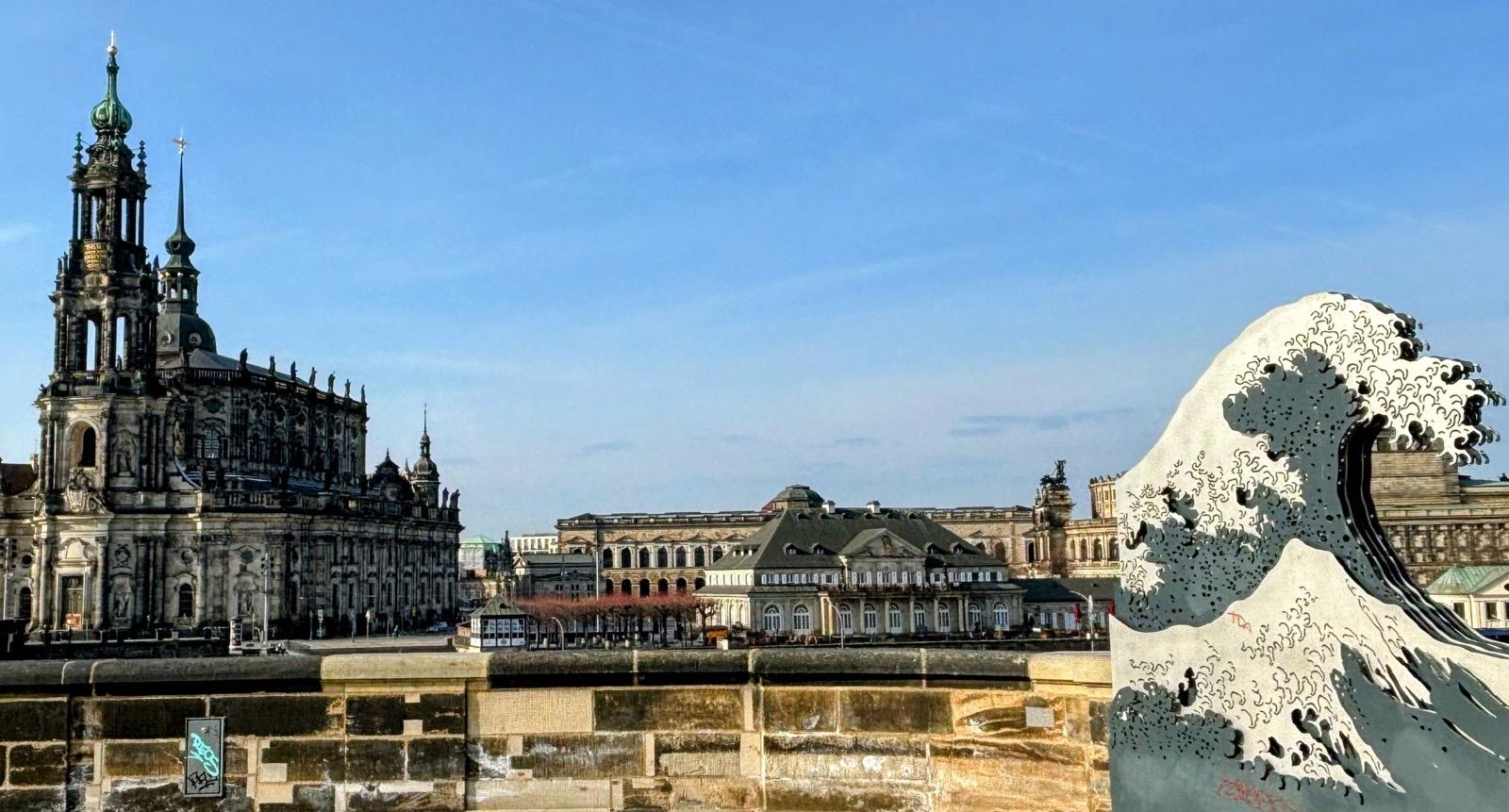
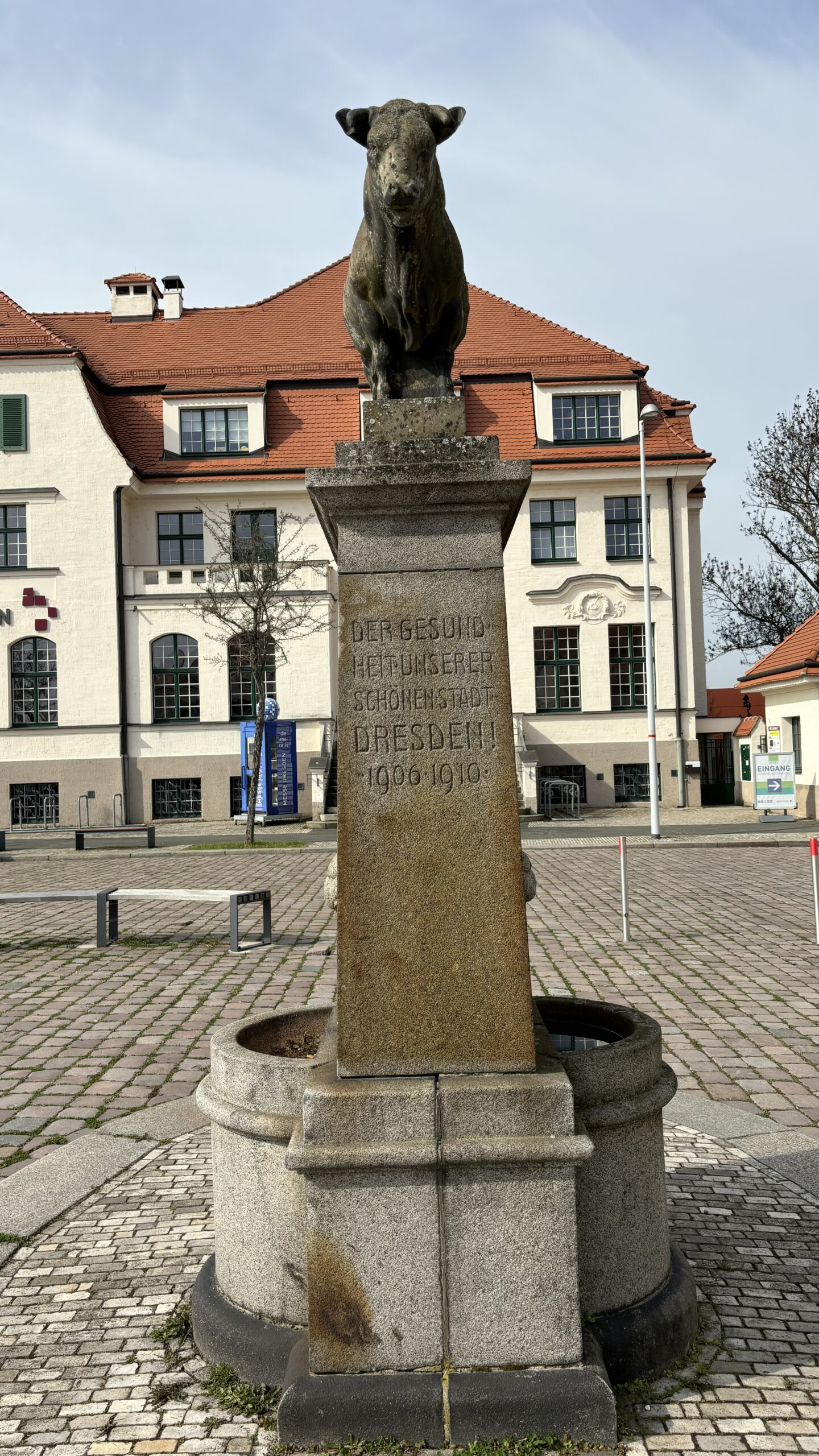
To see Dresden through Vonnegut’s eyes rather than through guidebooks, we joined the Slaughterhouse Five walking tour. It begins by showing what Dresden once represented, when it was called Florence on the Elbe and celebrated for its creativity, culture, and peaceful urban rhythm. Our guide shared how Vonnegut arrived not as a tourist but as a captured American soldier who survived one of the most devastating firebombings in modern history. Hearing this while standing outdoors, rather than reading it in a classroom, gives the past a heartbeat.
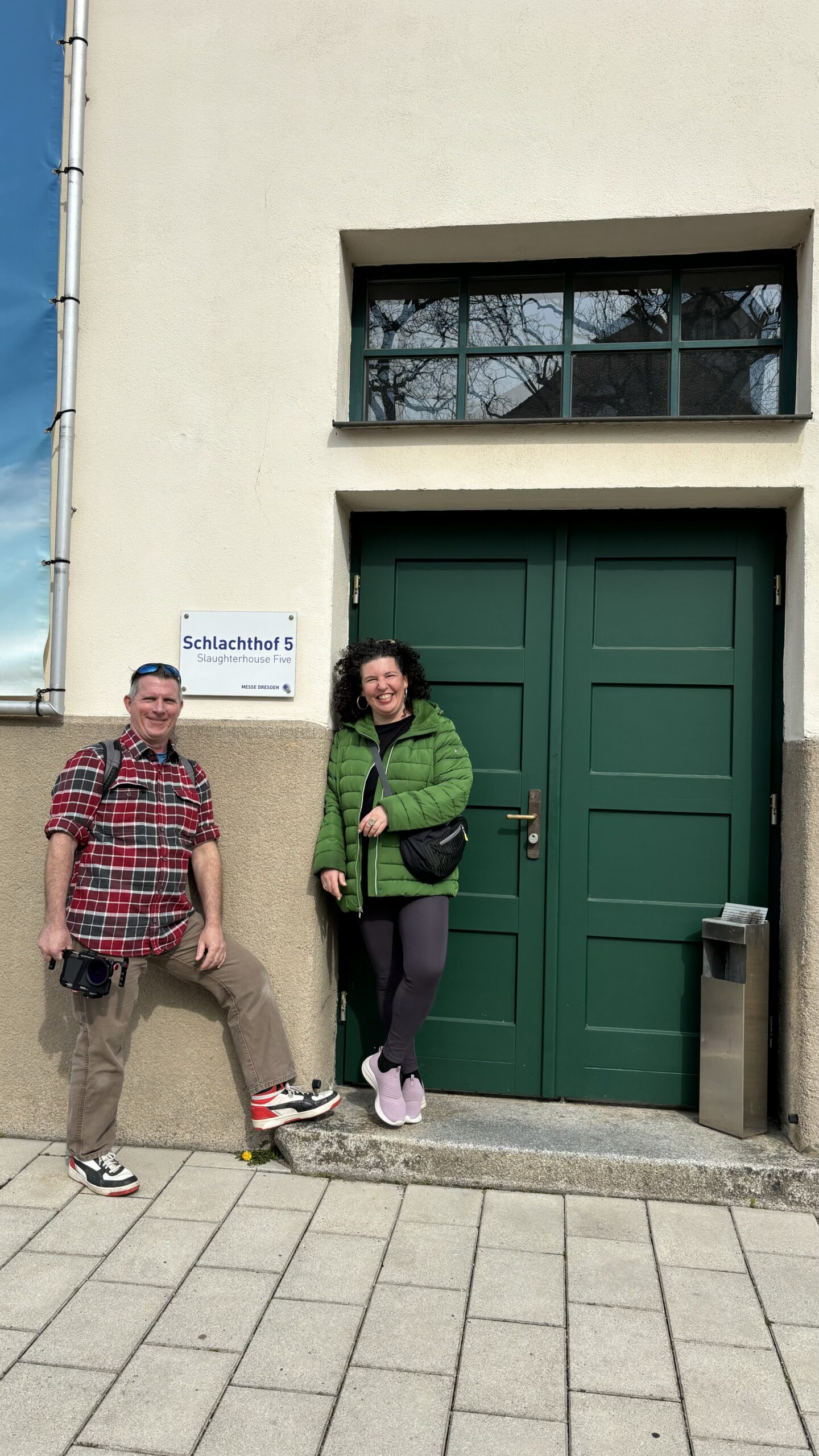
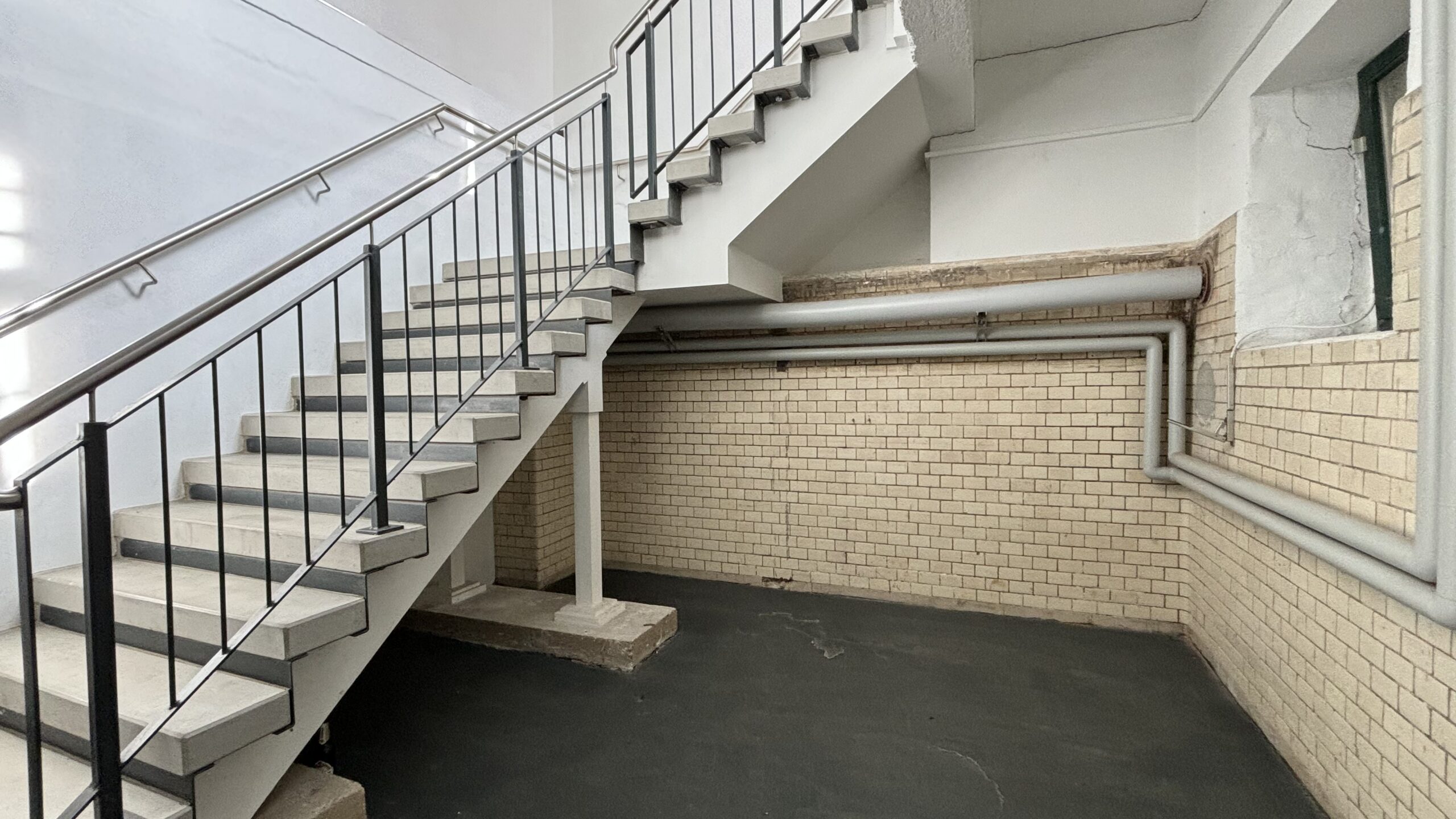
The most unforgettable moment was stepping into the area where the original slaughterhouse stood, now housed inside Messe Dresden. Access is limited, which made entering feel both privileged and solemn. The original industrial tiles and staircase are still there. They are plain and unadorned, yet standing beside them makes time feel strangely folded, as if the present and the past share the same breath. In that quiet space, you start thinking not only about Vonnegut but about every person who survived, every person who did not, and every story that was never written down.
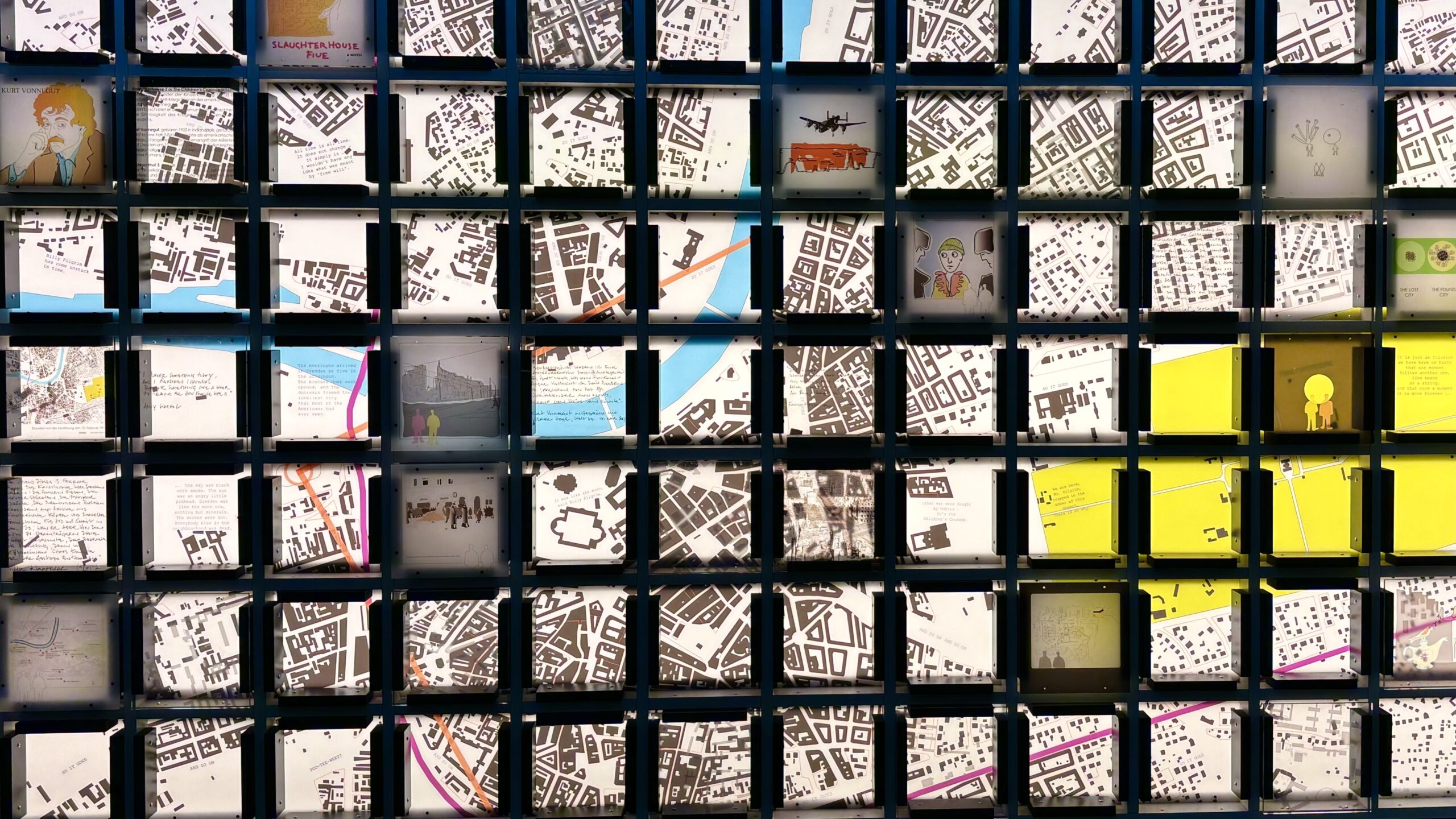
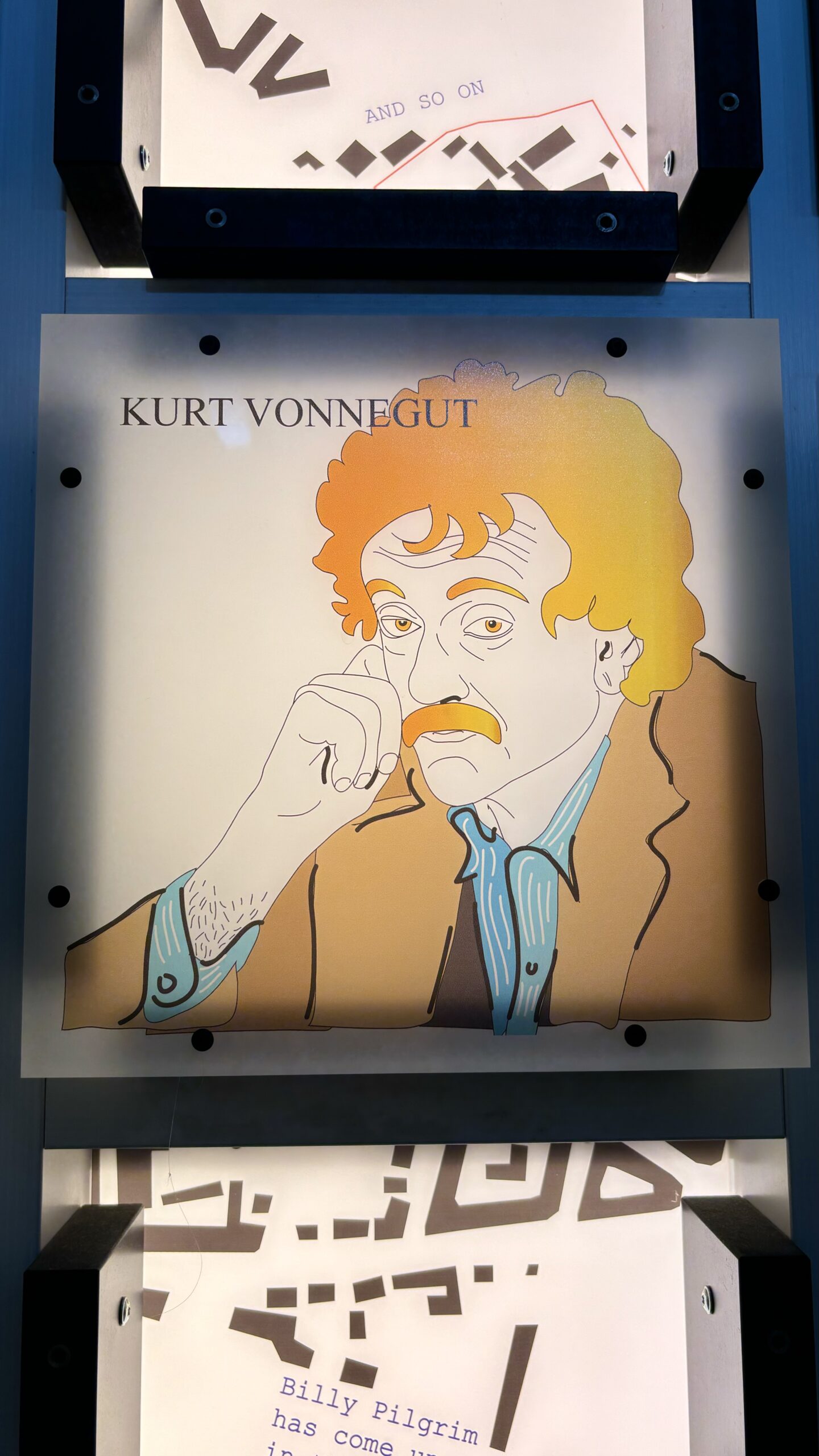
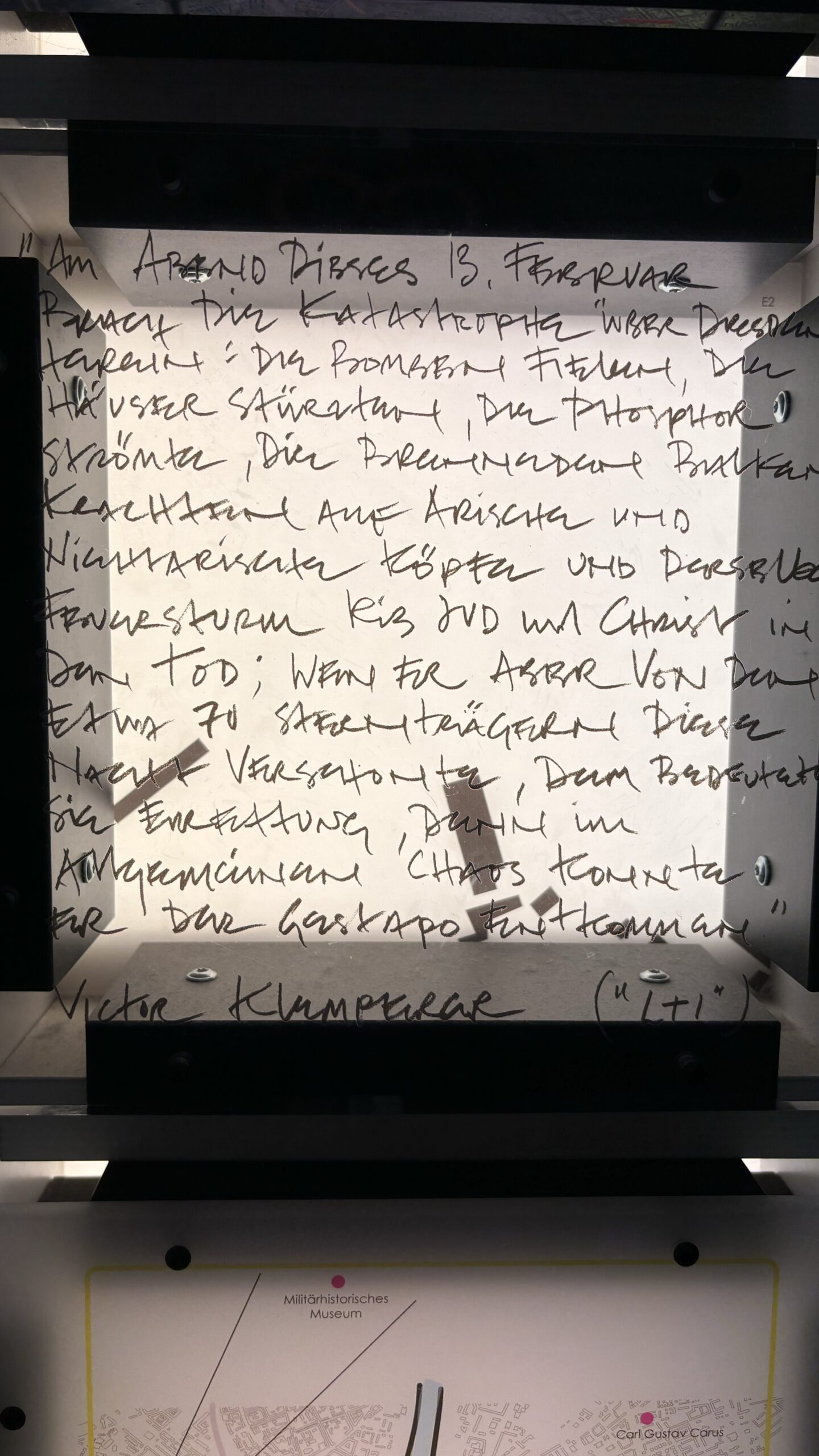
Inside, we saw the memorial wall designed by architect Ruairí O’Brien. It fills the basement with 135 illuminated boxes that combine photographs of Dresden’s destruction with the city map from 1945. Lines from Vonnegut’s writing appear in the installation, not as decoration but as a layer of thought. The memorial does not tell you how to feel. It honors the prisoners held in the slaughterhouse and creates a space to reflect on the human cost of war.
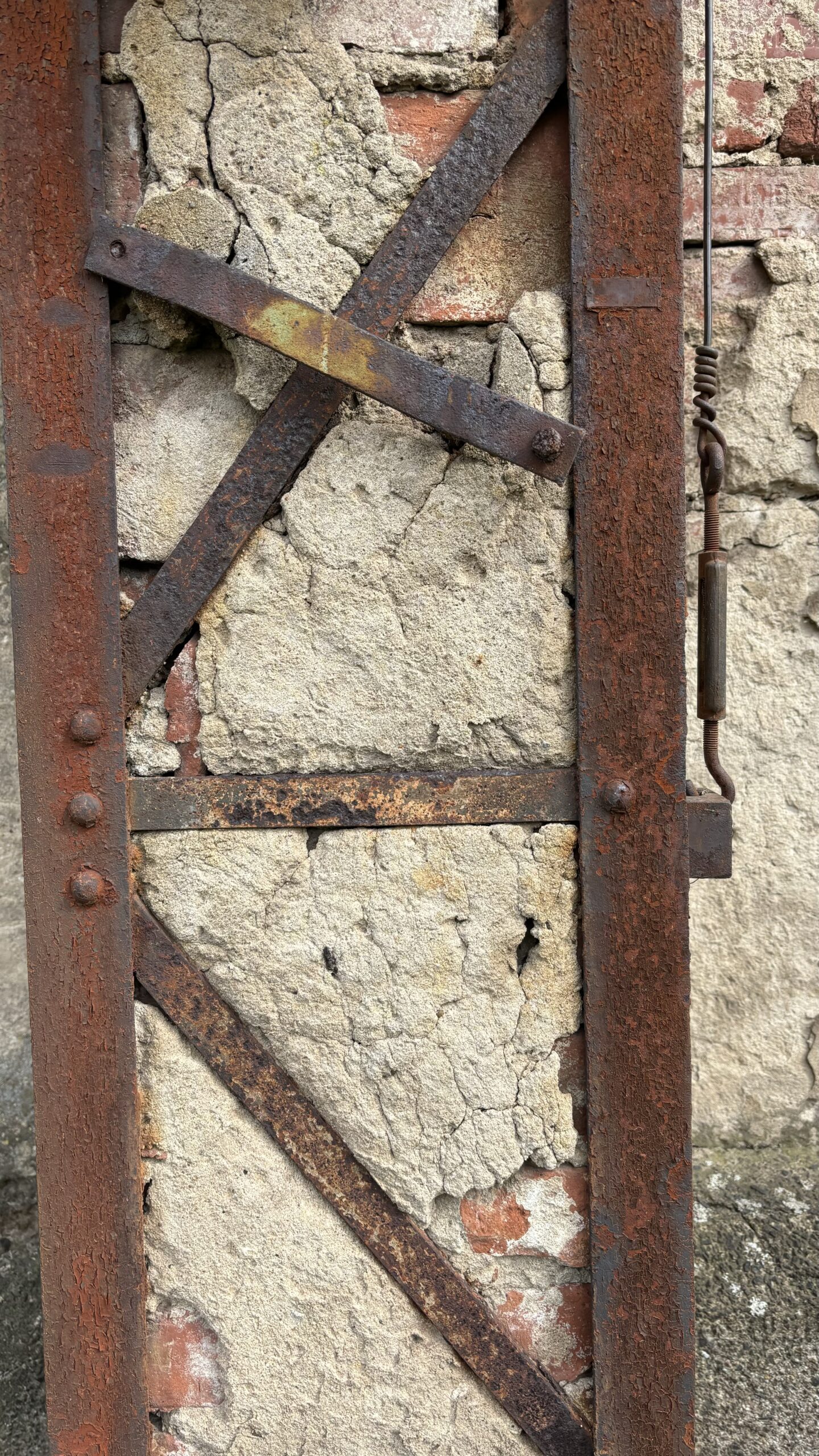
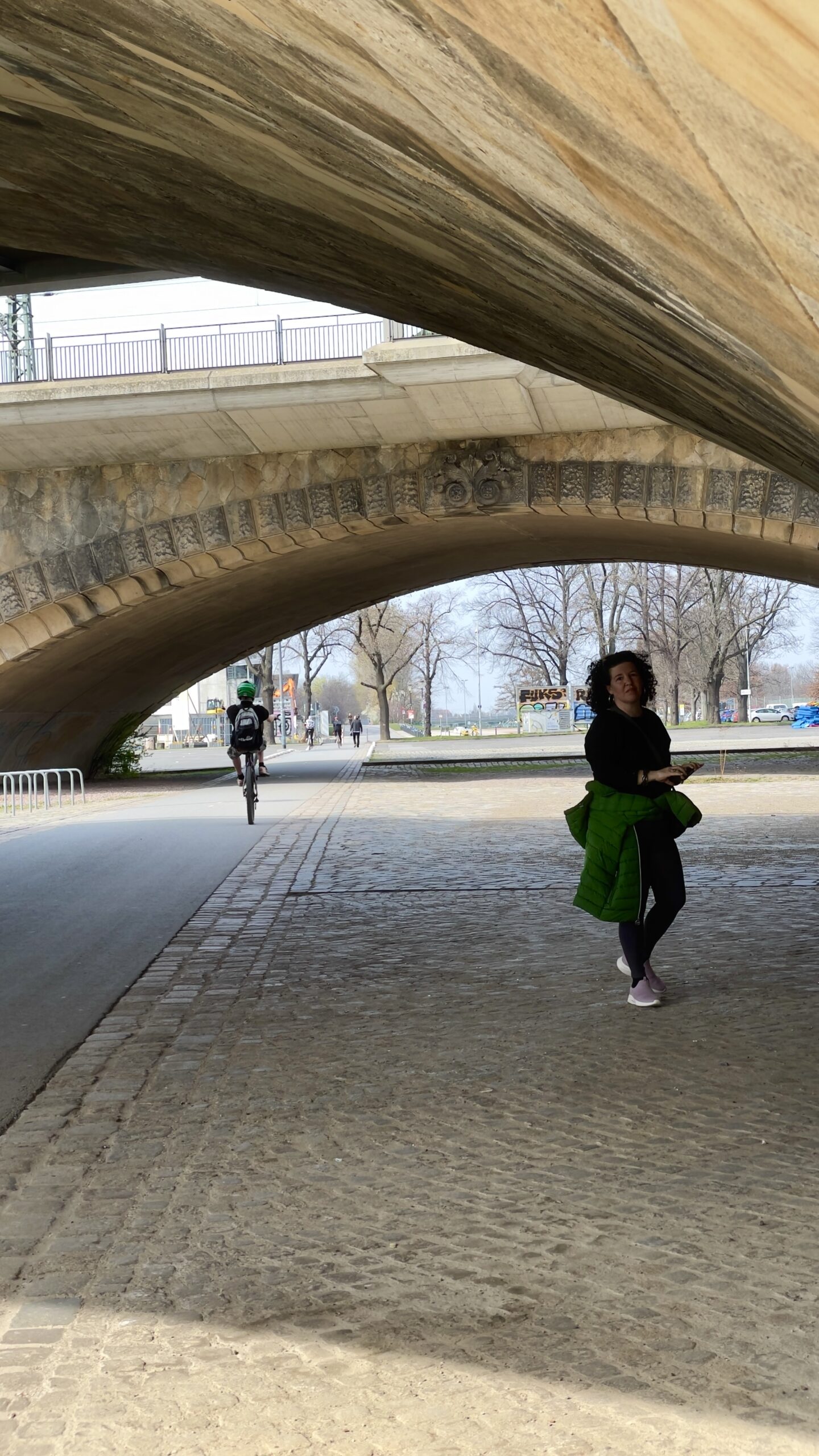
Walking through the surrounding compound, we noticed several buildings that still carry original stonework and wrought iron windows from that period. They have a quiet, enduring presence that makes you feel the continuity of life despite devastation. Crossing the river Vonnegut described in the book, the tour became less about sightseeing and more about reflection. The city’s history, trauma, and resilience came alive in a way that was deeply personal, yet universally understandable.
Through the streets and across the river, history felt alive in every stone, every shadow, every echo of the past. The city whispers its stories of beauty, loss, survival, and memory, and you feel their weight without needing a guidebook to tell you how to feel. Inside the former slaughterhouse, standing before the memorial wall, Vonnegut’s words echo: so it goes. Three simple words that carry the unbearable and the ordinary, the tragedy and the persistence of life. In Dresden, those words become a way to hold history in your hands, to see pain and resilience together, and to walk forward with both.
“So it goes…”
—Kurt Vonnegut
Join us on this curated Dresden adventure, enjoy our short film:
“Some places sparkle with fame. Others glow quietly. Verona and Sirmione belong to the second kind, and that’s exactly why I love them.”
—Nurit
Related Itineraries